Yplostylia Varkonin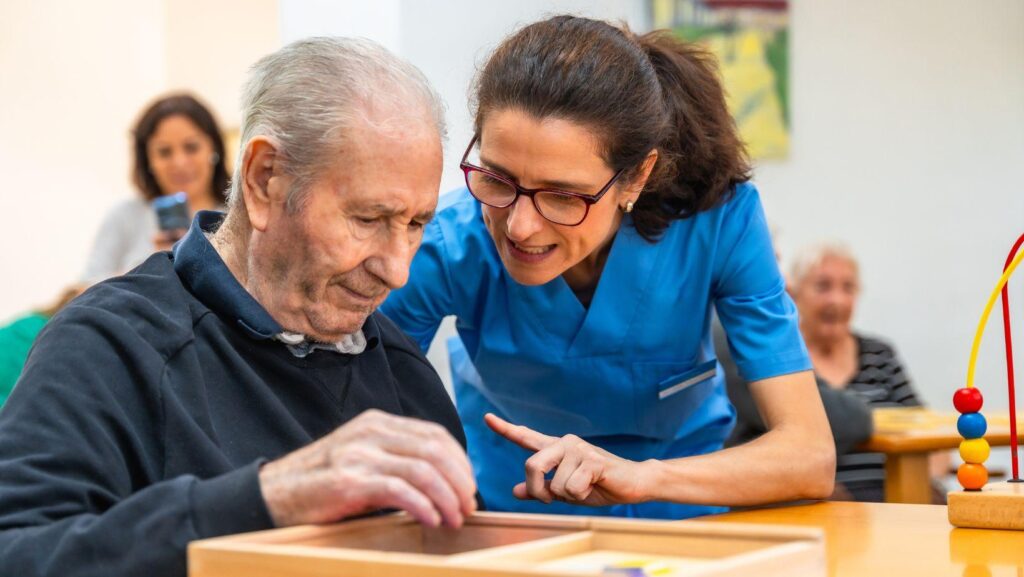
Basic daily support covers bathing, dressing, meals, and medication reminders. Specialized memory care adds a clinical layer for people with Alzheimer’s disease or another dementia. It accounts for cognition, sleep, swallowing, gait, mood, and safety simultaneously. Families often see the difference in trained observation, predictable routines, secure movement, and steadier communication. That wider model helps your loved ones receive care that matches changing neurological needs.
Care With Purpose
In dementia care, daily help must account for attention span, language loss, appetite changes, agitation, and impaired judgment. Families comparing memory care in St. Louis often need teams trained to read subtle cues, not just complete tasks. A grimace, pacing, or meal refusal may signal pain, fear, infection, fatigue, or sensory overload. Skilled response turns routine assistance into informed support.
Safer Daily Movement
Cognitive decline can affect depth perception, balance, direction, and hazard awareness. A person may walk with purpose yet forget the route back. Specialized settings use secured entries, clear sightlines, familiar markers, and calm walking paths. These features reduce exit risk without removing all independence. Safer movement protects dignity while lowering fall exposure and confusion.
Trained Staff Response
Kindness matters, but dementia support requires practiced technique. Staff need skill in redirection, validation, cueing, and de-escalation. A resident resisting hygiene may feel cold, rushed, exposed, or unable to process instructions. Experienced caregivers slow the pace, simplify language, and preserve privacy. That response can prevent panic while keeping personal care respectful.
Clinical Oversight
Many people with dementia cannot report symptoms clearly. Pain may appear as withdrawal, shouting, poor sleep, or reduced appetite. Memory care teams often monitor hydration, bowel patterns, skin condition, weight, medication effects, and gait changes. Early recognition can prevent urinary infections, pressure injuries, dehydration, or avoidable hospital visits. Families receive clearer updates tied to observable health signs.
Consistent Routines
Predictability helps the brain conserve effort. Regular timing for meals, rest, bathing, activities, and bedtime can reduce anxiety. Too many choices may create frustration, even when intentions are good. A steady rhythm supports remaining abilities and lowers repeated reorientation. For many residents, routine becomes a therapeutic tool rather than a simple calendar.
Meaningful Activities
Activity planning should match cognitive level, motor ability, and emotional history. Music may support recall when conversation becomes difficult. Folding linens, watering plants, painting, walking, or sorting familiar objects can provide purpose. The aim is successful engagement, not performance. A few settled minutes may matter more than a full scheduled session.
Better Dining Support
Dementia can change chewing, swallowing, smell, taste, and attention during meals. Some residents forget to eat, while others become overwhelmed by noise or clutter. Memory care dining often uses quiet rooms, visual prompts, adaptive utensils, finger foods, and close hydration checks. Staff notice coughing, pocketing food, weight loss, or fatigue. Nutrition improves when meals fit neurological limits.
Family Guidance
Families often face grief, uncertainty, and hard decisions at the same time. Specialized teams can explain behavior changes, care goals, visit strategies, and future planning. This guidance helps relatives respond with confidence instead of guilt. Family members remain central, but they are no longer expected to interpret every symptom alone. Clear education supports better conversations and steadier choices.
Social Connection
Dementia can shrink social life through embarrassment, word-finding trouble, or unsafe outings. Memory care creates protected contact through small groups, shared dining, familiar staff, and calm gathering areas. Even limited speech does not erase the need for belonging. Eye contact, music, touch, laughter, and recognition can support mood. Consistent companionship helps reduce isolation and distress.
Support Across Stages
Needs rarely stay fixed. A person may begin with reminders, then require help with continence, transfers, eating, medication, or mobility. Specialized memory care can adjust support as function changes. Continuity reduces the stress of repeated moves and unfamiliar routines. Stable surroundings become more important as language, recognition, and judgment decline.
Conclusion
Specialized memory care provides far more than help with daily tasks. It combines secure design, dementia-trained communication, clinical monitoring, nutrition support, purposeful activity, and family education. Each part addresses changes in the brain that affect behavior, movement, comfort, and health. For families considering next steps, the strongest value is coordinated care that protects dignity while responding to the whole person, not just the visible need.


 Thraxulon Kritdel