Thraxulon Kritdel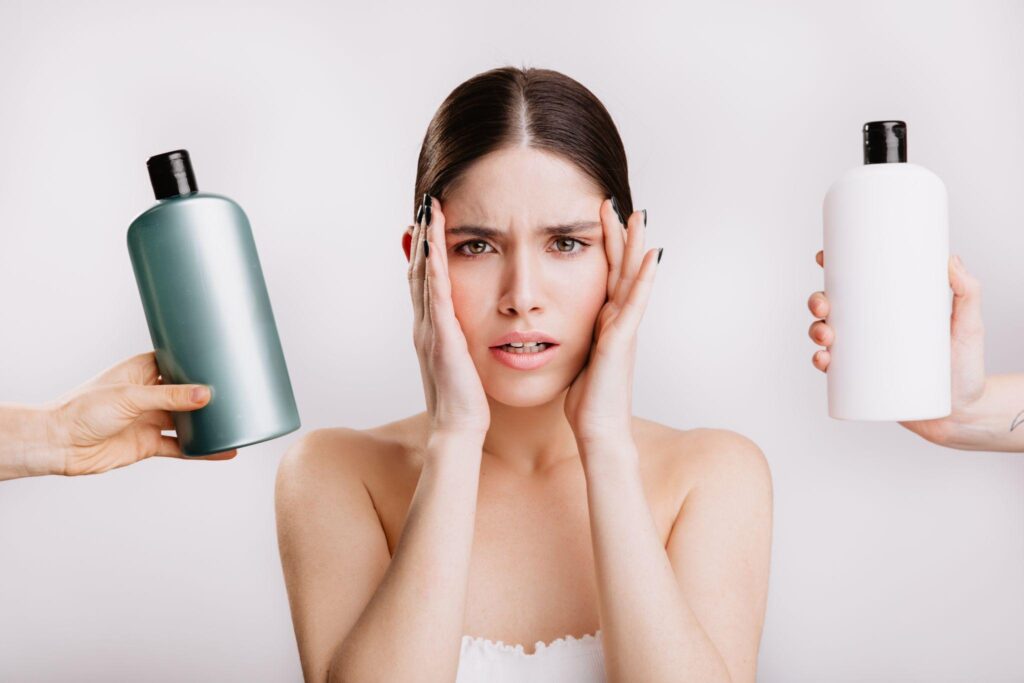
Most people dealing with hair fall eventually end up standing in a pharmacy aisle, scanning shampoo bottles, hoping one of them holds the answer. It’s understandable. Washing your hair feels like the most controllable part of hair care. But picking the wrong shampoo – or expecting too much from any shampoo – can leave your scalp worse off than before. Here’s what actually matters when choosing one.
Why Your Shampoo Choice Actually Matters
A shampoo doesn’t just clean hair. It interacts with your scalp’s pH, oil production, follicle health, and the natural bacteria that keep your skin balanced. When you use a formula that’s too harsh, it strips the scalp of its natural oils. The scalp then overcompensates by producing more sebum, which can clog follicles and contribute to a cycle that weakens hair at the root. On the other hand, a shampoo that’s too mild for your scalp type may leave behind buildup that suffocates the follicle over time.
So the question isn’t just “which shampoo is best for hair fall” – it’s “which shampoo works for your specific scalp situation.”
Understand Your Scalp Type First
Before buying anything, you need to know what your scalp is actually doing. Most people assume they have dry scalp because their hair feels rough or they see flakes. But flaking can also happen with an oily scalp. Getting this wrong means choosing a shampoo that makes things worse.
Here’s a simple way to assess it:
- If your roots get greasy within 24–36 hours of washing, you likely have an oily scalp
- If your scalp feels tight, itchy, or flaky after washing, it may be dry or sensitive
- If you have flakes along with itching and an oily scalp, dandruff or seborrheic dermatitis may be involved
- If you don’t notice any of the above but still have significant hair fall, the problem may be internal rather than topical
That last point matters more than most people realize.
Ingredients That Help vs. Ingredients That Harm
Not all “anti-hair fall” shampoos are doing what the label promises. Some contain ingredients that temporarily make hair look thicker while quietly damaging the scalp over time.
Ingredients worth looking for:
- Biotin or keratin (strengthening, though effects are surface-level)
- Salicylic acid or zinc pyrithione (for oily or dandruff-prone scalps)
- Saw palmetto or ketoconazole (may help with DHT-related hair thinning)
- Plant-based oils like bhringraj, rosemary, or argan (nourishing without clogging)
Ingredients worth avoiding if you have a sensitive or reactive scalp:
- Sodium lauryl sulfate (SLS) in high concentrations – very stripping
- Artificial fragrances (common irritant)
- Parabens and formaldehyde-releasing preservatives
- Silicones that build up without regular chelating washes
A good shampoo for hair fall isn’t necessarily chemical-free, but it should be appropriate for the problem you’re actually dealing with.
How Often You Wash Also Matters
Many people with hair fall instinctively wash their hair less often, thinking it reduces stress on the hair. But infrequent washing on an oily or buildup-prone scalp can actually worsen follicle health. The frequency depends on your scalp type. Oily scalps may benefit from washing every other day. Drier scalps do fine with two to three times a week. Overwashing, though, is a real issue – it can chronically dry out the scalp and lead to reactive oiliness.
Also worth noting: how you wash matters. Hot water, aggressive scrubbing, and vigorous towel drying all contribute to unnecessary mechanical stress on already vulnerable hair.
When Shampoo Alone Won’t Be Enough
Here’s the honest truth – if your hair fall is moderate to significant, no shampoo will fix it on its own. Hair loss that’s driven by nutritional deficiencies, hormonal imbalances (like thyroid issues or DHT sensitivity), chronic stress, or poor gut health requires a different kind of intervention. Shampoo works at the surface. Most real hair fall problems start deeper.
This is something that Traya Shampoo and Traya’s overall approach tries to address – pairing the right topical products with a root cause analysis that looks at what’s actually happening internally, not just on the scalp.
Final Thoughts
Choosing a shampoo for hair fall is worth doing thoughtfully, but it’s only one small piece of a larger picture. Know your scalp type, read ingredient labels with some skepticism, wash at the right frequency, and don’t expect a single product to reverse months or years of hair thinning. The shampoo you use should support your scalp health – but understanding why your hair is falling in the first place is where the real work begins.



 Yplostylia Varkonin