
 Yplostylia Varkonin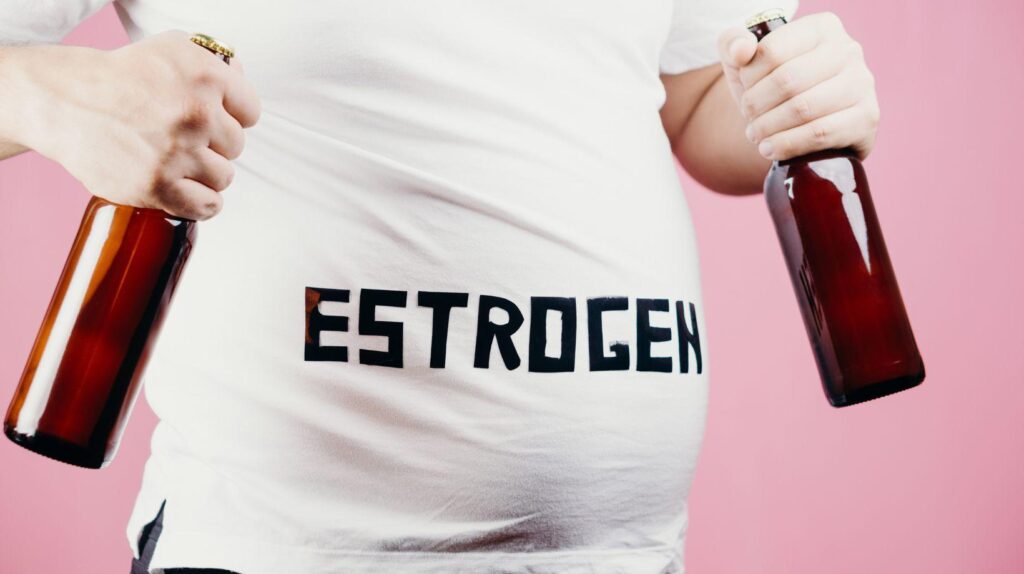
Estrogen supports bone health, sexual function, and other vital processes in men. Problems arise when estrogen and testosterone are out of balance. Daily food choices, alcohol intake, body fat, and food packaging can all influence that balance. The effects rarely come from one meal, but repeated exposure can build up over time. Knowing which foods deserve closer attention makes dietary changes more practical and easier to maintain.
Men ask what foods increase estrogen in men after noticing lower energy, reduced drive, slower fat loss, or weaker recovery. These symptoms can have several causes, so consider food as one part of a broader health review. The following categories deserve the closest attention.
1. Alcohol and Hoppy Beer
Alcohol affects estrogen balance through the liver. The liver helps clear excess estrogen from the bloodstream, but sustained drinking reduces that clearance capacity. Estrogen can remain in circulation longer when alcohol intake stays high.
Hoppy beers add another concern. They contain 8-prenylnaringenin, a potent phytoestrogen that binds to estrogen receptors. Regular intake combines alcohol exposure with a plant compound that has estrogen-like activity.
Reducing total alcohol intake matters more than switching between beer, wine, and liquor. Men who drink hoppy beer often should also reduce the frequency and quantity.
2. Commercial Beef
Beef itself supplies protein, iron, zinc, and other nutrients that support overall health. The concern involves production methods and hormone residues in some conventionally raised cattle.
US cattle producers can use approved growth-promoting hormone implants, including synthetic estradiol and zeranol. The Food and Drug Administration regulates these products and sets residue limits. Those limits address food safety, but some men still prefer beef raised without added hormones.
Grass-fed, pasture-raised, or no-hormones-added beef provides a practical alternative. Read labels carefully because production claims differ between products and don't always mean the same thing.
3. Grain Products With Storage Problems
Some grains and corn products can contain zearalenone, a mycotoxin produced by certain Fusarium molds. Zearalenone has estrogen-like activity because it can bind to estrogen receptors.
The risk depends on contamination, storage conditions, and the amount consumed. Cheap, heavily processed cereal, bread, and corn snacks provide less dietary value than properly stored whole grains.
A better approach is to rotate carbohydrate sources and choose fresh products from reputable suppliers. Whole oats, rice, potatoes, and properly stored whole grains can replace heavily processed options without eliminating carbohydrates.
4. Canned Foods and Plastic Packaging
Packaging can affect hormone exposure even when the food itself contains no estrogen-like compound. Some linings can contain bisphenol A, while flexible plastics can contain phthalates.
Heat and long-term storage increase the chance that these chemicals transfer to the food. Microwaving leftovers inside plastic containers creates an avoidable exposure route.
Glass jars, glass food containers, and stainless-steel storage reduce plastic contact. Canned foods still have a place in a practical diet, but choosing fresh or frozen foods more often can reduce exposure.
5. Ultra-Processed Foods
Ultra-processed foods influence estrogen balance through body composition. Diets rich in refined carbohydrates, added sugars, and calorie-dense fats can increase visceral fat around the abdominal organs.
Visceral fat contains aromatase, an enzyme that converts testosterone into estradiol. As visceral fat increases, it can convert more testosterone. This process links weight gain with hormone balance, even when a specific food contains no estrogen-like chemical.
Replacing packaged snack foods with meals built around protein, vegetables, fruit, potatoes, rice, and minimally processed fats supports better calorie control. Reducing abdominal fat often matters more than avoiding one isolated ingredient.
6. Soy Foods in Large Amounts
Soy contains plant compounds, called isoflavones, that interact with estrogen receptors. Their activity differs from human estrogen, and ordinary servings do not automatically create a hormone problem for men.
Large amounts of soy-based products still deserve attention, especially when they replace other protein sources throughout the day. Soy protein powders, meat substitutes, soy bars, and fortified drinks can quickly raise total intake.
Practical Ways to Improve Estrogen Balance
Food adjustments work best when they address total exposure. Reduce alcohol, replace ultra-processed snacks, choose lower-exposure packaging, and, when practical, select beef raised without added hormones.
Persistent symptoms require medical evaluation. Low libido, erectile problems, breast tenderness, infertility, and unusual fatigue can result from medication effects, thyroid disorders, liver disease, sleep problems, or other conditions. A clinician can interpret hormone testing in context.
Conclusion
Men do not need to fear every food associated with estrogen-like activity. The more useful step is to identify repeated patterns, especially frequent alcohol, large amounts of ultra-processed food, heavy reliance on packaged meals, and increasing visceral fat. Start with one seven-day audit of drinks, snacks, beef, soy products, and food storage habits. Then make some realistic changes and discuss persistent symptoms with a qualified healthcare professional.


 Thraxulon Kritdel


