Yplostylia Varkonin
Many health product labels aren’t nearly as accurate as you’d think. Here are four reasons why third-party testing is increasingly important for health products in 2026.
You’ve probably picked up a dietary supplement, read something like “clinically studied” or “lab-verified” on the front, and assumed some credible testing is behind those words. Reality says otherwise.
Under the Dietary Supplement Health and Education Act of 1994, the Food and Drug Administration (FDA) is not authorized to approve dietary supplements for safety and effectiveness before they hit shelves. In many cases, brands can legally launch dietary supplements without even notifying the FDA.
The industry essentially operates on a kind of honor system. And as you’d expect from an industry worth over $200 billion in 2026, not everyone plays it straight.
A 2024 study published in JAMA Network analyzed 30 weight-loss supplements and found that 25 had inaccurate labels while 7 had hidden ingredients not listed at all. That’s just one example of the shady practices prevalent in the industry today..
Third-party testing is the closest thing to a truth check on all of this. Here are four reasons why it matters in 2026.
#1 Most Supplement Labels Are Completely Unverified
When you buy a prescription drug, you know it has gone through years of clinical trials, regulatory review, and independent scrutiny. Health products like dietary supplements, however, do not get this treatment.
The government treats them more like food, so companies are entirely responsible for policing themselves. Health product companies can basically write out their ingredient list and print the label without regard for the product’s true contents.
In the words of Dr. Cara Welch in an interview with the FDA podcast:
“…FDA has no systematic way of knowing when new dietary supplements are introduced to the market or what they contain. Because of this, we are often at a disadvantage to identify unsafe or otherwise unlawful supplements…”
Health product brands deliberately exploit this system. And when independent platforms like Evident Health product feedbacks run lab tests on dietary supplements, the findings routinely don’t match what brands claim on their product label.
The bottom line is that without independent testing, a supplement label is essentially a press release. It tells you what a company wants you to believe about its product. Whether their claims match reality is a different question entirely.
#2 Third-Party Testing Stops Brands from Hiding Behind Fake Seals
Even when health product brands test their products, they often commission a one-off test on a cherry-picked corporate batch, hand the results to a friendly lab, and put those words on the packaging. This makes the testing technically accurate but practically useless.
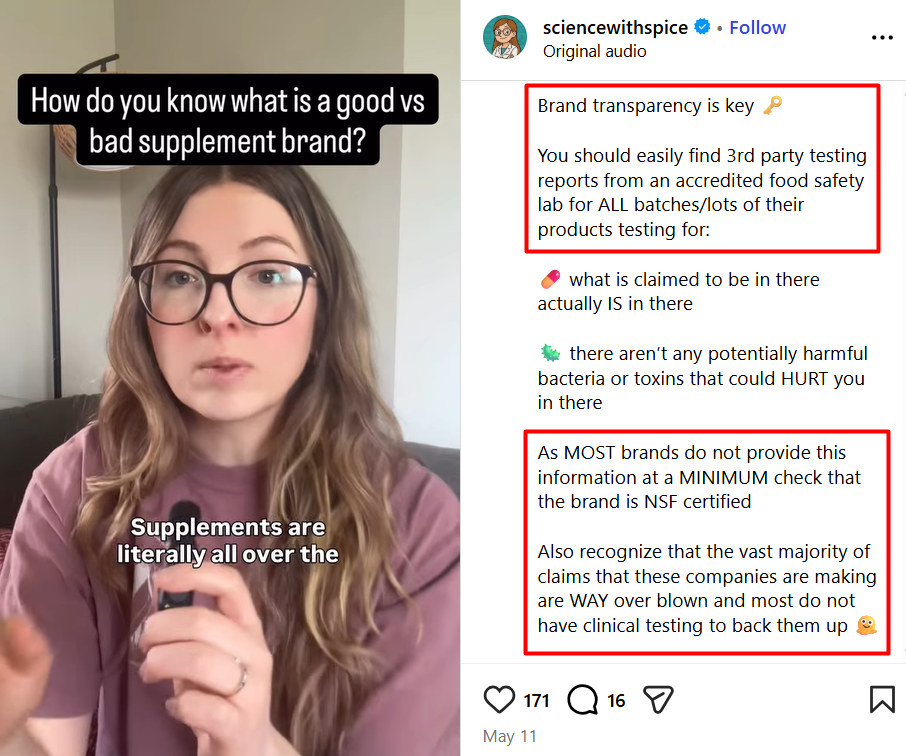
Rigorous third-party testing strips away these marketing tricks to force complete transparency. A certificate of analysis tied to a supplement brand’s product batches is often the gold standard for proving credibility. Some companies even choose to place a QR code on the label that links straight to verifiable lab reports.
Certifications like NSF Certified, USP Verified, and Informed Sport are also good indicators, as they generally require health products to meet defined quality and safety standards.
More specifically:
- USP Verified tests for ingredient identity, potency, and manufacturing practices.
- NSF Certified confirms that what is on supplement labels matches the contents.
- NSF Certified for Sport adds screening for roughly 300 banned substances.
- Informed Sport tests sports supplements to ensure they are free from banned or unsafe substances
Still, certification alone shouldn’t be the end of your research. In 2026, transparency is often the strongest signal. A health product company that’s willing and able to show truly independent, unbiased test results is often the most credible.
#3 Independent Testing Protects Both Your Health and Your Money
Third-party testing regularly catches dangerous heavy metals like lead, arsenic, and mercury that enter through the soil or manufacturing processes when making health products. Even in small amounts, repeated exposure to these substances is significantly harmful.
Testing also identifies microbial contamination, including mold, yeast, and bacteria. That’s especially relevant for powders and products that pass through multiple storage facilities before reaching consumers.
Then there’s potency. A bottle might advertise 500 milligrams of an ingredient while independent testing finds far less. In this case, the product isn’t necessarily dangerous, but you’re paying for far less than you are getting.
What’s more, researchers and regulators have repeatedly found supplements containing undeclared ingredients that never appeared on the label at all.
For example, a 2026 systematic overview in Frontiers analyzed commercially available supplements and found that roughly 9% to 15% were contaminated with prohibited substances or unapproved pharmacological agents.
Without external analysis, you have no way of knowing whether your daily wellness routine is, in fact, harming your health or simply draining your bank account.
#4 A Low Barrier to Entry for Health Products Increases Risks
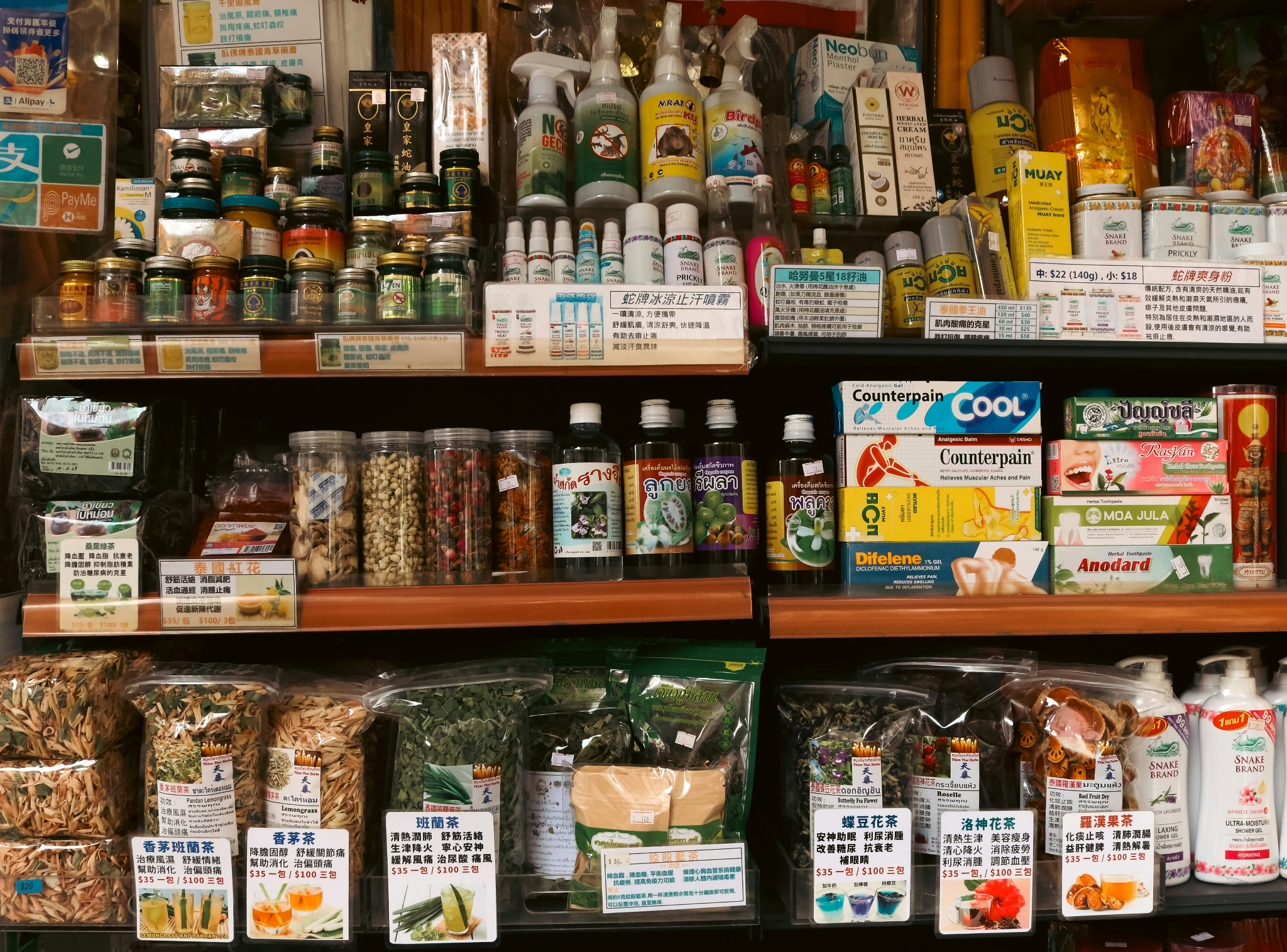
You might assume health products have become easier to evaluate as information becomes more accessible. In some ways, the opposite has happened.
Launching a supplement brand is easier than it’s ever been. A company can source ingredients, partner with a contract manufacturer, build a Shopify store, and start selling products in a matter of weeks.
Meanwhile, supply chains have become increasingly global. Ingredients often pass through multiple manufacturers and vendors before ending up in a finished product. Every additional step creates another opportunity for quality issues or contamination.
And though consumers are more discerning and skeptical today, marketing has grown equally manipulative. Words like “science-backed” and “clinically-tested” appear everywhere now with zero evidence to back them up.
That’s why third-party testing has become one of the most helpful signals for debunking inaccurate claims and keeping health products credible.
Key Takeaways
Third-party testing isn’t a guarantee that a health product will work for you personally. One legitimate batch also doesn’t mean every batch will be.
What these tests do is give you a baseline of honesty. They tell you, in no uncertain terms, whether the health product you’re buying matches the description printed on the packaging and whether it meets reasonable quality and safety standards.
That alone puts third-party testing ahead of almost every other credibility signal available. The supplement industry runs on trust, most of which is unearned. Third-party testing is arguably the most effective indicators of whether a health product brand deserves your trust.


 Heather Arranie