Lucy Payton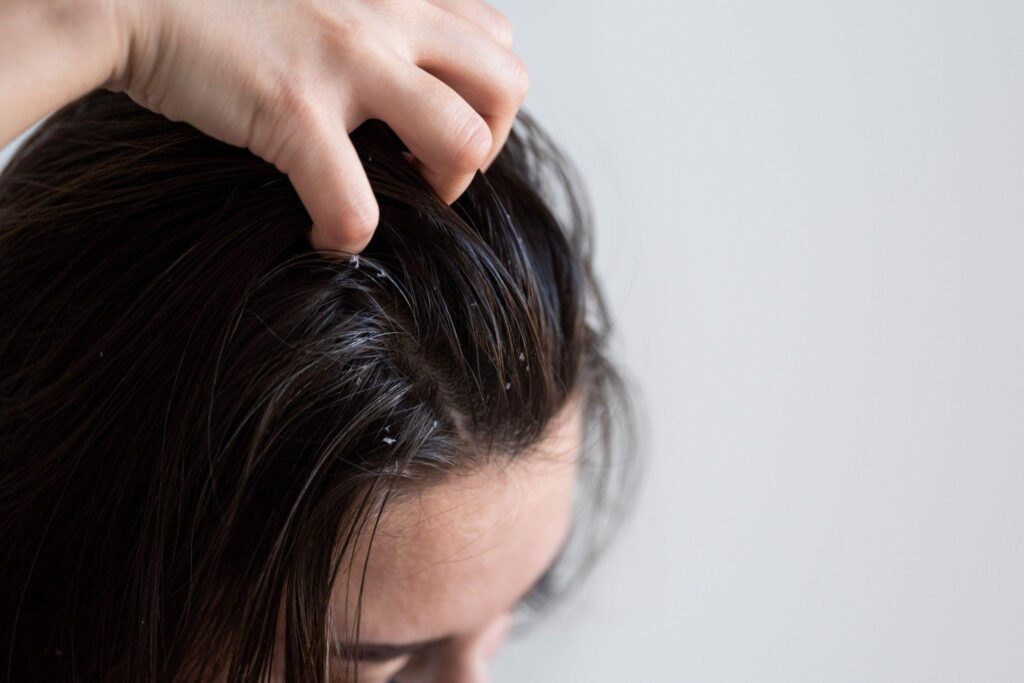
Flaky scalp is one of those things most people dismiss with a dandruff shampoo and move on. But if the flakes keep coming back no matter what you try, there’s a good chance you’re treating the wrong thing. Not every flaky scalp is dandruff — and not all dandruff is the same either.
Understanding what’s actually happening on your scalp can save you months of ineffective treatments and a lot of frustration.
Dandruff vs. Dry Scalp: A Common Mix-Up
These two get confused constantly, and it’s understandable — both cause flaking and itching. But the underlying reasons are completely different.
A dry scalp happens when the skin doesn’t retain enough moisture. The flakes tend to be small, white, and powdery. They fall off easily and often come along with dry skin elsewhere on your body.
Dandruff, on the other hand, is usually caused by an overgrowth of a yeast-like fungus called Malassezia. This fungus lives naturally on everyone’s scalp, but in some people, it triggers an inflammatory response. The result is accelerated skin cell shedding — which shows up as larger, oilier, yellowish flakes that stick to the hair or scalp.
Treating a dry scalp with an antifungal shampoo won’t help much. And moisturizing a fungal-driven dandruff problem can sometimes make it worse.
The Role of Sebum in Scalp Flaking
Your scalp produces sebum — a natural oil that keeps the skin barrier healthy. When sebum production is balanced, the scalp stays comfortable. When it’s excessive, it creates the perfect environment for Malassezia to thrive.
This is why dandruff is more common in people with oily scalps. The fungus feeds on fatty acids in sebum, and when there’s too much of it, the fungal population grows. This triggers irritation, which speeds up the skin cell turnover cycle from around 28 days to just a few days — causing visible flaking.
Hormonal changes, stress, diet, and even seasonal shifts can all influence sebum production, which explains why dandruff often flares up at specific times.
When It’s More Than Just Dandruff
Sometimes, what looks like dandruff is actually a skin condition that needs different care. Two that commonly get mistaken for regular dandruff are:
- Seborrheic dermatitis: A more severe form of dandruff. It causes thick, greasy scales, redness, and significant inflammation — not just on the scalp but sometimes on the face, ears, or chest.
- Psoriasis: An autoimmune condition where the immune system speeds up skin cell production dramatically. Psoriasis flakes tend to be silvery-white and thicker, and the scalp may feel sore or have visible raised patches.
- Contact dermatitis: A reaction to a product — shampoo, conditioner, hair dye — that causes flaking, itching, and redness limited to areas of contact.
Each of these has a different cause and requires a different approach. Lumping them all under “dandruff” and reaching for the same over-the-counter shampoo often doesn’t work.
Why Identifying the Type Matters for Treatment
The reason so many people cycle through product after product without seeing results is that they never actually identified what kind of scalp issue they have. There are several distinct types of dandruff, and the triggers, appearance, and treatment for each one differ significantly.
For example, antifungal ingredients like ketoconazole or zinc pyrithione work well for fungal dandruff. Salicylic acid helps with buildup and flaking from seborrheic dermatitis. Coal tar can slow skin cell turnover in psoriasis. And if you have contact dermatitis, the first step is simply removing the offending product.
Traya takes a similar root-cause approach — identifying what’s actually driving a scalp condition before recommending any treatment path.
Habits That Make Any Scalp Condition Worse
Regardless of what type of flaking you’re dealing with, a few habits consistently make things worse:
- Washing too often or not often enough (both can throw off scalp balance)
- Using hot water, which strips natural oils and irritates the skin
- Scratching, which damages the scalp barrier and can introduce infection
- Switching products too frequently before giving anything time to work
- High stress levels, which trigger inflammatory responses throughout the body
Final Thoughts
A flaky scalp is your skin signaling that something is off — not always something serious, but always something worth paying attention to. Before picking up any treatment, it helps to observe your flakes closely, notice when they appear, and think about what else might be changing in your body or routine. That kind of attention makes the difference between guessing and actually solving the problem.

 Heather Arranie
 Thraxulon Kritdel

 Yplostylia Varkonin