Yplostylia Varkonin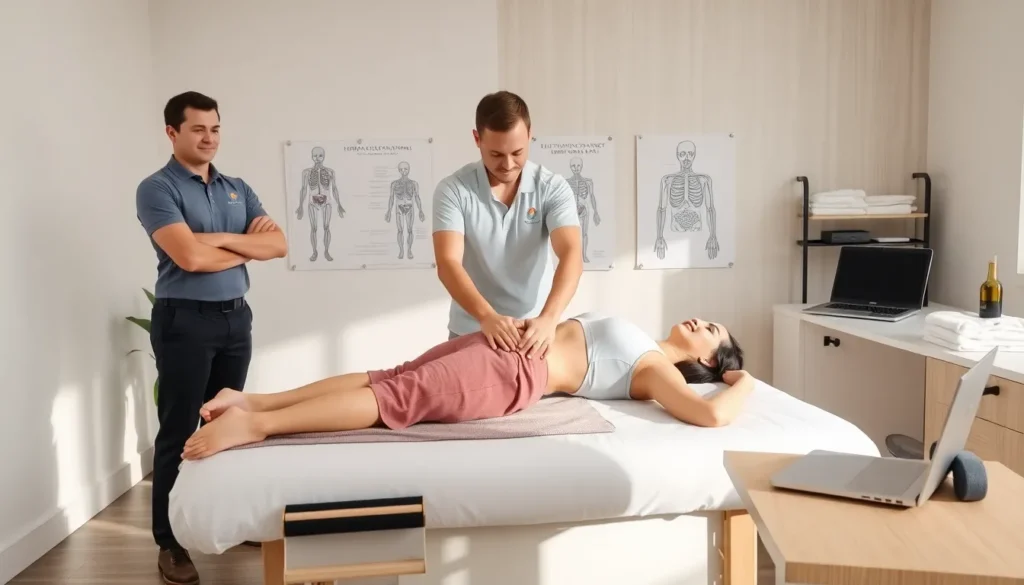
Massage for weight loss refers to using touch to support body changes and well-being. The term covers many techniques that aim to reduce fluid, ease muscle tightness, and improve recovery. The reader will learn what massage for weight loss can do and what it cannot do.
Key Takeaways
- Massage for weight loss supports a weight plan by improving circulation and lymphatic drainage to reduce short-term swelling and limb circumference.
- Use massage for weight loss to speed recovery and reduce soreness so you can maintain consistent cardio and strength workouts that drive real fat loss.
- Expect massage for weight loss to aid sleep, lower stress, and curb stress-eating indirectly—treat these benefits as part of a broader lifestyle strategy.
- Schedule professional sessions every 1–2 weeks after intense workouts, hydrate before and after, and track mobility, clothing fit, and workout consistency rather than daily scale changes.
- Avoid claims that massage for weight loss melts fat alone; choose licensed therapists trained in lymphatic or sports techniques and skip massage if you have infections, DVT, or other contraindications without medical approval.
What Massage For Weight Loss Means And What It Can Realistically Do
Massage for weight loss means using hands-on therapy to support a weight plan. Many people expect massage for weight loss to melt fat on its own. Research shows that massage for weight loss can aid circulation, reduce fluid retention, and speed recovery after exercise. Massage for weight loss does not directly burn large amounts of fat. Massage for weight loss can help people feel less sore and more active. That effect can help them stick with diet and exercise. People should measure success by improved mobility, less swelling, better sleep, and better workout consistency rather than by large changes on the scale alone.
How Massage May Support Weight Loss: Mechanisms And Evidence
Physiological Effects On Circulation And Lymphatic Drainage
Massage for weight loss can improve local blood flow. A therapist applies pressure and movement to move blood into tissues. Massage for weight loss can stimulate lymphatic vessels and help move excess fluid. Improved drainage can reduce puffiness and temporary measurement size. Studies show short-term drops in limb circumference after massage for weight loss techniques that focus on lymph flow.
Hormonal, Stress-Reduction, And Metabolic Links
Massage for weight loss can lower cortisol for some people. Lower cortisol can reduce stress-related eating in some cases. Massage for weight loss can boost mood and improve sleep. Better sleep and mood can help people follow a diet and exercise plan. These effects support weight loss indirectly.
Limitations In Scientific Evidence And Common Misconceptions
Research on massage for weight loss lacks large, long-term trials. Some studies have small samples or short follow-up. Massage for weight loss often shows acute changes in fluid or size but not sustained fat loss alone. Claims that massage for weight loss melts fat with manual pressure lack strong evidence. Consumers should treat such claims with caution.
Types Of Massage Commonly Used To Support Weight Loss
Manual Lymphatic Drainage And Light-Pressure Techniques
Manual lymphatic drainage is a gentle method. Therapists use light strokes to move lymph toward drainage points. People seek manual lymphatic drainage when they have swelling after surgery or slow circulation. The technique can reduce fluid and short-term size.
Deep Tissue, Myofascial Release, And Cupping Therapy
Deep tissue massage targets tight muscle layers. Therapists use deeper pressure to break adhesions and improve movement. Myofascial release focuses on connective tissue to ease restrictions. Cupping uses suction to lift tissue and increase blood flow. These approaches can ease soreness and help people exercise more comfortably.
Abdominal Massage, Reflexology, And Targeted Fat-Reduction Claims
Abdominal massage aims to ease digestion and reduce bloating. Reflexology applies pressure to foot points that correspond to organs. Some providers claim targeted fat reduction with firm massage or devices. Evidence does not support long-term localized fat loss from these methods. People may prefer these treatments for comfort and short-term changes in measurement.
How To Integrate Massage With Diet, Exercise, And Lifestyle
Timing, Frequency, And Complementary Exercise Plans
People can schedule massage for weight loss after intense workouts to aid recovery. Therapists can work the day after a hard session to ease soreness. Regular sessions once every one to two weeks can support consistent recovery. Massage for weight loss works best with a clear exercise plan that mixes cardio and strength work. Exercise creates calorie deficits and builds muscle. Massage for weight loss helps maintain training quality.
Combining Massage With Nutrition, Hydration, And Sleep Strategies
Good nutrition supports weight loss more than massage. People should follow a calorie plan that fits goals. Hydration helps lymph flow and recovery. Massage for weight loss will work better when people hydrate before and after a session. Sleep improves hormone balance and appetite control. Massage for weight loss can improve sleep and amplify those benefits.
What To Expect During A Professional Session
Assessment, Typical Techniques, And Session Length
A therapist will ask about medical history and goals. They will ask if the person has swelling, surgery, or blood clot risk. The therapist will use techniques that match the goal. Sessions often last 30 to 90 minutes. A session focused on lymph drainage will use light, rhythmic strokes. A session focused on deep tissue will use firmer pressure and slower strokes.
Tracking Progress: Realistic Outcomes To Monitor
Clients should track mobility, soreness, sleep, and how often they complete workouts. They should track clothing fit and measurements rather than weigh daily. Massage for weight loss can show quick drops in swelling. Clients should expect gradual changes in weight related to consistent diet and exercise combined with massage for weight loss.
Safety, Contraindications, And How To Choose A Therapist
Medical Conditions, When To Avoid Massage, And Red Flags
People should avoid massage for weight loss if they have active infection, deep vein thrombosis, uncontrolled high blood pressure, or certain cancers without doctor approval. Recent surgery requires specific clearance. Red flags include sudden bruising, intense pain, or shortness of breath during a session. If a therapist promises rapid fat loss from touch alone, the client should be cautious.
Credentials, Questions To Ask, And Cost Considerations
Clients should check licensure and training in relevant techniques. Ask whether the therapist has lymphatic drainage training or sports massage experience. Ask about session length, price, and cancellation policy. Prices vary by region and length. Some clinics offer package deals for ongoing support. The client should compare value and therapist fit.
At-Home Massage Techniques And Tools To Support Results
Simple Self-Massage Routines And Foam-Rolling Basics
A person can use self-massage to reduce soreness and tightness. Simple routines include gentle strokes toward the heart for lymph flow. Foam rolling targets muscle knots. A person should roll slowly and stop at sharp pain. Self-massage can help maintain tissue quality between professional sessions.
Tools: Rollers, Massage Guns, Cups, And When To Use Them
A foam roller suits large muscle groups like calves and quads. A massage gun helps warm muscles before workouts or ease tightness after. Cups can increase local blood flow for short-term relief. People should start tools on low intensity and keep sessions short. Use tools to complement massage for weight loss and not to replace professional care.

 Thraxulon Kritdel


 Heather Arranie