How Family Caregivers Learn the Skills That Keep Someone Well at Home
 Thraxulon Kritdel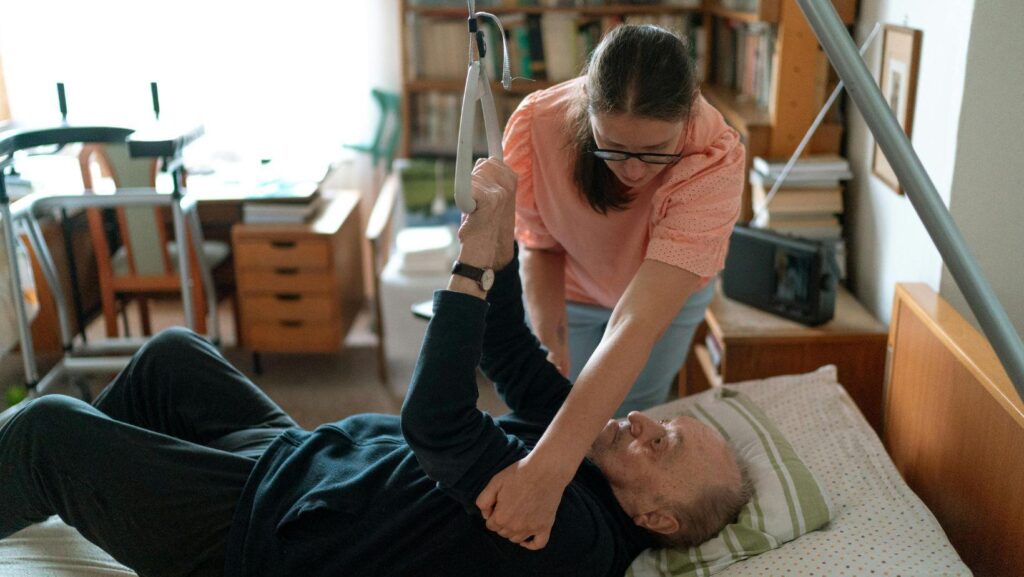
Family caregivers now routinely handle medical tasks that used to belong only to trained clinicians, including managing a rotation of medications, changing dressings on a healing wound, and operating equipment such as feeding tubes or oxygen concentrators. This shift has followed shorter hospital stays and a broader move toward recovery and chronic care in private homes, so families are increasingly doing work a nurse or aide used to handle in a clinical setting. Most never trained for any of it; they took on the role because someone they love needed help.
Behind that training is usually a nurse who specializes in teaching rather than direct patient care, and it typically reaches families through hospitals, home health agencies, or community classes, with real skill retention depending on more than one demonstration. Knowing where that training comes from, who develops it, and how much of it is required by law can help a caregiver push for more support instead of assuming that scrambling to learn is simply part of the job.
Who Builds the Training Programs Caregivers Rely On
Behind every caregiver training video, discharge packet, or hospital class sits a curriculum someone had to design, test, and update as medical practice changes. That work usually falls to nurses who specialize in education rather than direct patient care, since teaching an adult with no medical background to safely give an injection or change a dressing calls for a different skill set than performing the task yourself.
These nurse educators often started as bedside nurses before returning to school to focus on teaching, earning a master’s degree that blends clinical knowledge with formal training in curriculum design and adult learning. Many complete an online RN to MSN nurse educator degree while continuing to work full time, building the teaching credentials hospitals look for on top of the clinical hours they already have. The result, done well, is training that walks a caregiver through a task the way a nurse would explain it to a new colleague, in plain language and the right order.
The Medical Tasks Family Caregivers Are Increasingly Expected to Handle
About 20 million Americans caring for a family member at home now perform medical tasks that once required a licensed nurse, from managing a complicated medication schedule to administering wound care after surgery or operating a feeding tube. Depending on the person’s condition, a caregiver’s typical week might include:
None of this comes naturally, and most caregivers learn it while also working a job, raising children, or managing their own health. That’s exactly why the training question matters so much.
Where Caregivers Learn These Skills
Hospitals are usually the first stop, though how much training a caregiver receives before discharge varies widely by state and even by hospital. A number of states have passed laws requiring hospitals to identify a designated family caregiver at admission and give that person basic instruction before a patient goes home, though the depth of that instruction is largely left up to the hospital itself.
Outside the hospital, home health agencies often send a nurse for a handful of visits, demonstrating a task and then watching the caregiver do it themselves, a method sometimes called teach-back that catches mistakes before they become dangerous. Community organizations and disease-specific nonprofits also run classes on topics like fall prevention or dementia care, and some are available online for caregivers who can’t easily leave the house or take time off work to attend in person.
What Helps the Skills Stick
Watching a demonstration once is rarely enough to feel confident performing a medical task alone, which is why the most effective training builds in a chance to practice with a professional present first. Asking to repeat a demonstration, practicing on supplies before the real thing is needed, and writing down each step in order all help when nerves are running high during an actual task.
Caregivers who know they can call the discharging nurse, home health agency, or a caregiver support line with follow-up questions tend to handle the unexpected with more confidence, whether that’s a dressing that looks different than it did at the hospital or a medication schedule that suddenly needs adjusting. Building that connection before a crisis hits is often the one piece of preparation caregivers wish they had set up sooner.

 Yplostylia Varkonin


 Heather Arranie