Thraxulon Kritdel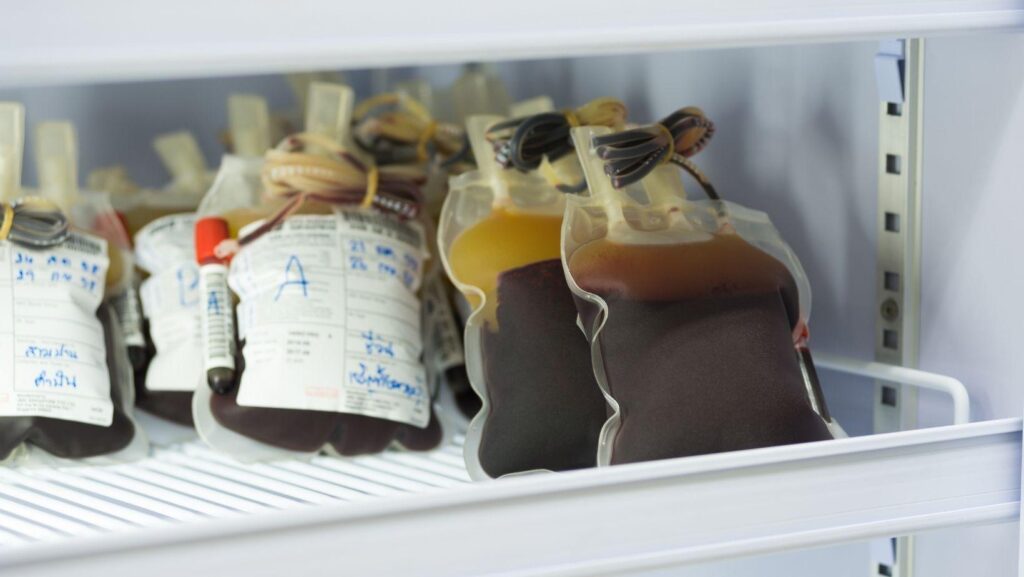
A single unit of donated blood passes through more hands than most people realize before it ever reaches a patient. It gets drawn, tested, separated into components, stored at a precise temperature, and eventually matched to someone who needs it, often under real time pressure. Lose track of that unit at any point along the way, and you’ve either wasted a donation or created a safety risk nobody can afford. That’s the quiet, high-stakes logistics problem sitting behind every blood bank in the country.
The Chain of Custody Problem Blood Banks Can’t Ignore
Unlike most inventory, a bag of blood isn’t interchangeable with another bag of the same type. Each unit carries its own donor history, testing results, and expiration timeline, which means every single one needs to be individually identifiable from collection to transfusion. A mislabeled or misplaced unit isn’t just an inventory error; it’s a potential patient safety incident. Regulatory bodies treat this chain of custody as non-negotiable, requiring documentation at every handoff point.
Manual tracking systems, the kind built around barcodes and handwritten logs, have worked for decades but leave plenty of room for error, especially during high-volume periods or emergencies. A technician rushing to locate a specific unit during a trauma situation doesn’t have time to flip through paper records or scan barcodes one by one. That pressure point is exactly where a lot of blood banks have started rethinking how they manage inventory.
Temperature, Timing, and the Narrow Window for Usability
Blood products don’t just need to be tracked; they need to be tracked against the clock. Red blood cells typically last around 42 days under refrigeration, platelets last only about a week, and both require constant temperature monitoring to remain viable. A unit that drifts outside its safe temperature range even briefly may need to be discarded, regardless of how much testing and processing went into producing it. That narrow shelf life makes real-time visibility into inventory age and location far more than a convenience.
Blood banks that struggle with visibility often end up with two related problems at once: shortages of certain blood types when they’re needed most, and expired units going to waste because nobody realized how close they were to their deadline. Better tracking doesn’t just prevent errors, it directly reduces the amount of usable blood that gets thrown away.
Where Better Identification Technology Comes In
This is where more advanced identification tools have started replacing older barcode-only systems. Many blood banks and laboratories have moved toward using RFID Tags for Laboratories and Specimen Tracking, which allow staff to scan multiple units simultaneously without needing a direct line of sight to each barcode. That speed matters enormously in a trauma bay, where every extra minute spent searching for a matching unit has real consequences for the patient waiting on it.
Beyond speed, this kind of tagging also creates a more reliable audit trail. Every scan logs a timestamp and location, which means a lab can reconstruct exactly where a unit has been at any point in its life cycle. That level of detail matters not just for day-to-day operations but for the inevitable moments when a recall or investigation requires tracing a unit back through the entire supply chain.
What Blood Banks Gain When Tracking Actually Works
The facilities that get inventory management right tend to see benefits that go beyond simply avoiding errors:
None of this eliminates the underlying complexity of managing a perishable, individually unique product. But it does mean that complexity gets handled with far less guesswork, and far fewer units lost to a system that simply couldn’t keep up with how fast blood banks actually operate.

 Yplostylia Varkonin


 Heather Arranie