Heather Arranie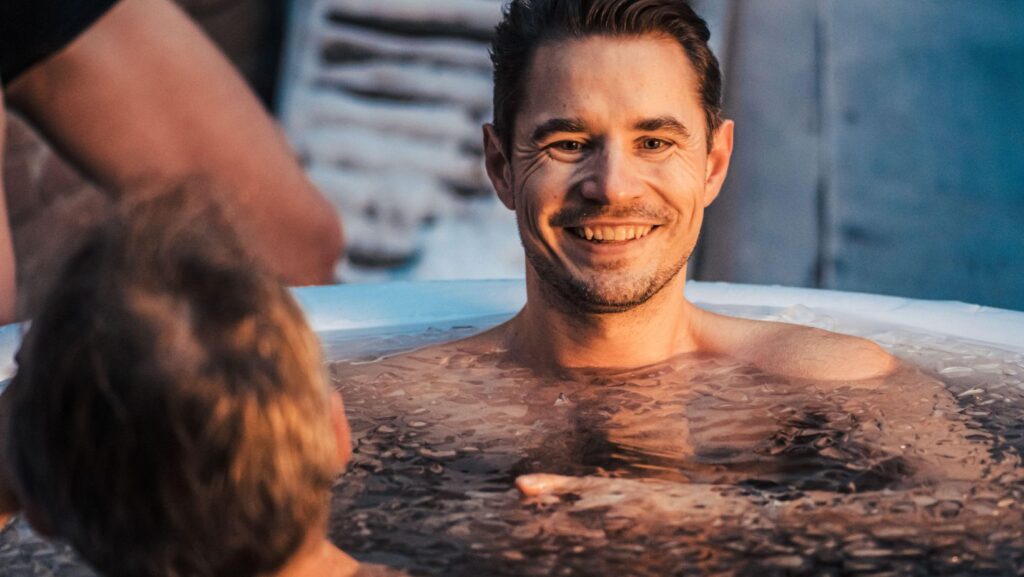
Cold water immersion has become one of the most discussed wellness and recovery practices of the last few years. Much of the public attention has focused on energy, mood, resilience, and exercise recovery, but another question appears again and again in both health circles and consumer marketing. Can regular cold exposure actually influence immune function. The most accurate answer is that the science is interesting, but still incomplete. There are signals worth paying attention to, yet the strongest claims remain ahead of the evidence.
From a physiological point of view, the idea is plausible. Cold exposure acts as a short controlled stressor. That can trigger hormonal and nervous system responses that affect inflammation, circulation, and immune signaling. Some researchers describe this as immune modulation rather than a simple immune boost, because the body’s response is more complex than turning immunity up or down. It is also highly dependent on frequency, duration, water temperature, training status, and whether a person is acclimated to the cold.
What makes the topic difficult is that different studies measure different things. Some look at white blood cells, immunoglobulins, or inflammatory markers right after exposure. Others look at broader outcomes such as sickness absence, upper respiratory symptoms, or self reported wellbeing over time. That means two studies may both examine cold water immersion and still arrive at results that seem to point in different directions. The question is not only whether the body responds, but whether those responses translate into meaningful health effects in everyday life.
Recent evidence supports a cautious interpretation. A 2025 systematic review and meta analysis found that cold water immersion produced an acute inflammatory response immediately and one hour after exposure, while not showing a significant immediate effect on immune function in the short term. At the same time, the review’s narrative findings pointed to possible longer term benefits in some settings, including lower sickness absence among people who took regular cold showers. That combination is important because it shows why the immune conversation should stay nuanced. The body clearly reacts, but the practical implications are not yet fully settled.
Older review literature points in a similar direction. Cold water swimming and repeated exposure have been associated in some studies with fewer or milder upper respiratory infections, and there is biological reasoning for why short bouts of cold stress might help prepare the immune system to respond to challenges. But the same literature also emphasizes that findings on leukocytes, immunoglobulins, and related immune markers have been mixed or minor, especially when study protocols differ. That is why responsible coverage should avoid claiming that cold immersion simply strengthens immunity across the board.
Even newer observational work adds both interest and caution. A 2025 cross sectional study found that people who practiced cold water immersion reported better mental health and shorter upper respiratory infections, with the most favorable association appearing around moderate frequency, up to about twice per week. More frequent exposure was linked to less favorable outcomes. That does not prove cause and effect, but it does reinforce an important point. More is not automatically better, and the relationship between cold exposure and immune related outcomes may follow a dose response pattern rather than a simple linear one.
This is where routine and context matter. Someone using cold immersion as part of a broader healthy lifestyle may experience it differently from someone chasing extreme exposure without recovery, sleep, nutrition, or adaptation. For that reason, the strongest scientific position right now is not that cold water immersion is an immune cure. It is that regular, measured exposure may have interesting effects on immune related processes, inflammation, and illness related outcomes, but those effects remain variable and need better long term human research.
That balanced view also matters when people move from curiosity to home ownership. If cold plunging is going to be used consistently and sensibly, then the setup at home has to support moderation, convenience, and repeatability. A poorly designed tub can make the whole practice harder to manage by warming too quickly, demanding constant cooling, or creating enough friction that the routine becomes irregular. In that sense, product design is not separate from the science. It shapes whether the habit can be maintained in a stable way.
Theralpine has a strong position here because its main advantage is not vague wellness language. It is temperature retention. The company’s official performance data says its insulation keeps water cold up to 16 times longer and can cut energy use by up to 14.6 times compared with less efficient alternatives. That matters because a tub that holds temperature for longer is easier to use consistently and less expensive to keep ready over time. It also means the owner is less likely to treat each plunge like a small logistical project.
The broader design package strengthens that case. Theralpine also highlights compact dimensions for home use, durable indoor and outdoor materials, ground level entry, and an anti slip floor. Those details make the product feel more realistic for regular use, which is exactly what a cautious science based routine requires. If someone is exploring Ice Tub ownership as part of a measured cold exposure practice, the best argument is not hype. It is practicality. A dependable setup makes it easier to follow a consistent approach, and consistency is what matters most when the evidence points toward gradual adaptation rather than dramatic one time effects.
The science behind cold water immersion and immune function is promising enough to stay interesting, but not settled enough to justify overstatement. The most credible conclusion is that cold exposure appears to influence immune related processes and may be linked with some positive health outcomes under the right conditions, yet the evidence is still too mixed to support simplistic claims. For readers interested in bringing the practice into everyday life, that makes a reliable home setup even more important. A product like Theralpine fits that conversation well because it supports a regular, manageable routine rather than an extreme or inconvenient one.