Heather Arranie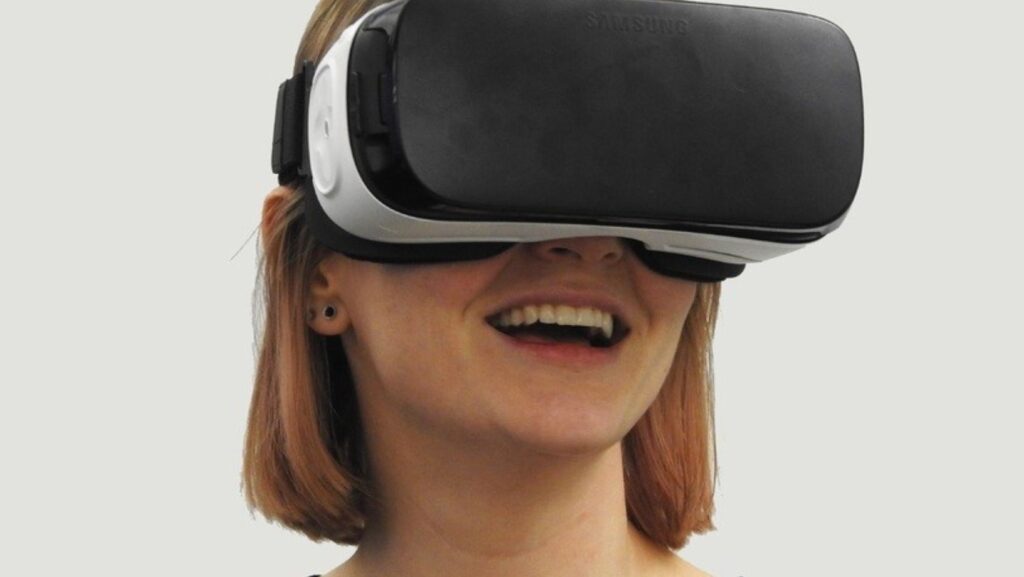
Virtual reality (VR) technology has changed many fields, including vision science. Nowadays, doctors and researchers evaluate, diagnose, and cure eye problems utilizing virtual reality. While VR presents a dynamic and flexible approach, conventional eyesight testing techniques often rely on set surroundings and standardized tools. Since it allows one to create immersive and regulated visual environments, VR is a great tool for researchers and clinicians.
Virtual reality visual field headsets represent one of the most exciting developments in this area. Ideal for eyesight testing and treatment, a virtual visual field headset allows for precise control over visual stimuli. By simulating various visual circumstances, researchers can study eye movements, peripheral vision, and depth perception in ways that were not possible in the past. The role of these headsets in vision science is examined in this article.
Understanding VR Visual Field Headsets
Appreciating virtual reality headsets’ importance in contemporary eye care requires an understanding of how they work. One must also understand their uses and challenges. Let’s begin by understanding what these devices actually are.
What are Virtual Reality Visual Field Headsets?
Consisting of a display, sensors, and tracking devices, a virtual reality headset is a specialist device designed to produce an immersive virtual environment. They are different from standard virtual reality headsets meant for gaming or pleasure. These ones used in vision science are specifically meant to manipulate the optical field for therapeutic or diagnostic needs.
These headsets completely cover the eyes of the wearer, therefore eliminating external distractions. This guarantees that under regulated conditions, eyesight tests yield accurate and reliable results. The ability of the technology to replicate various optical environments gives researchers the luxury of examining certain areas of sight. It also allows them to replicate eyesight problems and track a person’s visual reaction to stimuli.
Components
- Display: The screen inside the helmet produces images that create a virtual world. These high-resolution displays ensure the images produced are realistic and sharp, which is important in medical applications.
- Sensors: Motion sensors and gyroscopes identify head movements, therefore ensuring that the optical scene changes in real time as the user moves.
- Eye-Tracking Technology: Many contemporary VR headsets use eye-tracking cameras, which follow the user’s gaze and record where they are looking. This function is quite helpful for research on eye movements, optical attention, and reaction times.
- Software Algorithms: To create and manage the simulated environment, virtual reality systems rely on advanced algorithms. You can visit https://www.futurelearn.com/ to learn about the pros and cons of simulations. Based on user responses, these applications can change visual stimulus, contrast, and brightness.
How VR Simulates and Manipulates the Visual Field?
To get the results they need, researchers and clinicians have to control the user’s optical field. With a controlled environment, they can accurately determine if the results are favorable or not.
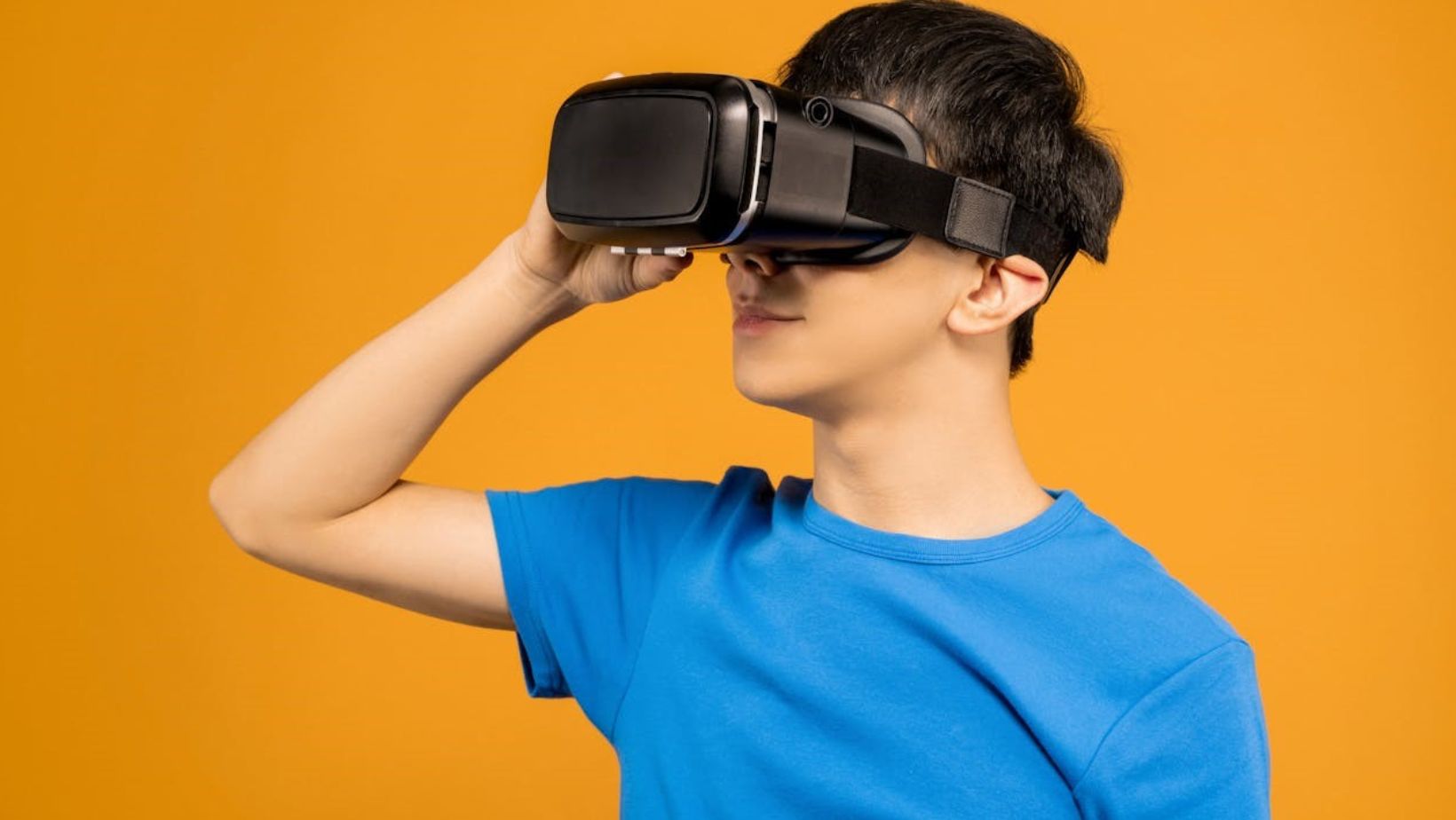
Here’s how virtual reality helps them to accomplish this requirement.
Studying Eye Movements and Peripheral Vision
The study of eye movements is one of VR’s main uses in vision science. Eye-tracking cameras monitor how people focus on objects, react quickly to stimuli, and move their eyes across a scene. This data helps them to understand disorders like strabismus (misalignment of the eyes) or nystagmus (uncontrolled eye motions).
Furthermore, peripheral vision is very important for visual function. Before central vision deteriorates, many eyesight disorders, including glaucoma, affect peripheral sight. With traditional perimetry, the extent of a person’s optical field is measured. This test requires a fixed point of attention to identify flashes of light in various locations.
Diagnosing Visual Field Defects
These headsets are particularly helpful for identifying disorders like these:
- Glaucoma: Early symptoms of peripheral vision loss can be detected using VR perimetry testing, therefore enabling timely intervention.
- Retinitis Pigmentosa: This hereditary condition causes slow eyesight loss. VR can precisely monitor disease development compared to more conventional techniques.
- Neurological Disorders: Eyesight can be affected by stroke, brain trauma, and multiple sclerosis. VR tests let doctors assess how these disorders affect optical processing.
Advantages of VR Over Traditional Vision Tests
- Improved Patient Comfort: While VR offers a more engaging experience, traditional tests can be repetitive and exhausting.
- Greater Precision: Virtual reality can detect minute variations in eyesight that could go undetected in standard testing.
- Remote Testing: You can use these headsets at home to monitor your eye health, reducing the need for regular clinic visits.
Therapeutic Applications of VR Visual Field Headsets
Apart from diagnostics, virtual reality has applications in therapy and rehabilitation. You can read this article to learn why physical therapy is so important for rehabilitation. VR can help stroke victims retrain their optical processing capacity. Through stimulation of relevant portions of the optical field, controlled virtual reality environments help strengthen neural pathways.
VR-based therapy also helps those with tunnel vision or blind spots. Adjusting the virtual environment allows patients to practice compensating eye motions to improve their remaining eyesight. Research shows that over time, repeated virtual reality training can increase visual ability.
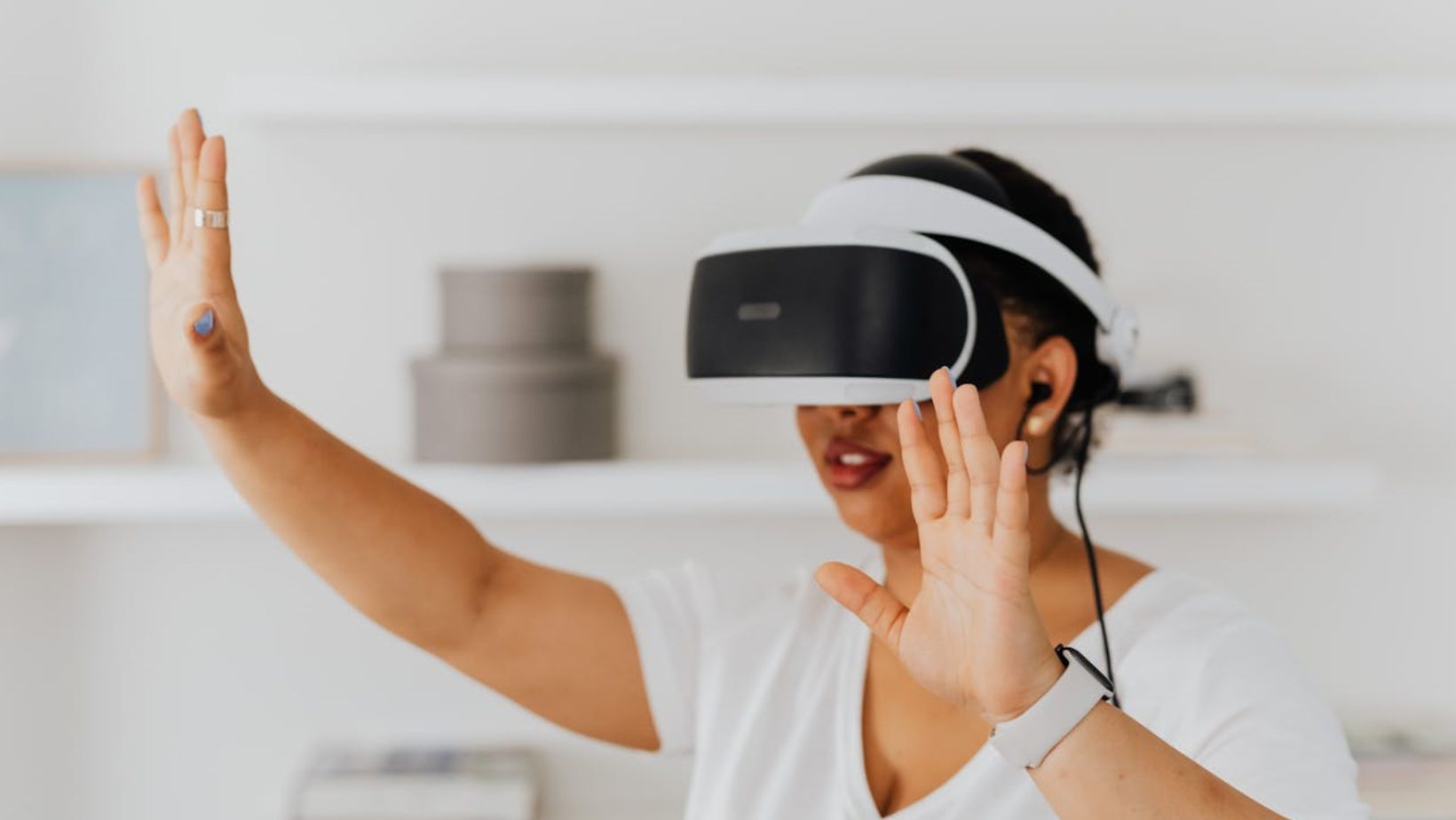
Another exciting application is in lazy eye treatment, medically known as amblyopia therapy. While virtual reality presents a more engaging option, traditional techniques involve patching the stronger eye. Visual exercises catered to the patient’s condition can be created by VR-based therapies. This helps to improve the efficiency of the therapy process.
Challenges and Limitations of VR Headsets in Vision Science
VR headsets have some limitations, even if they offer some benefits. Eyesight tests’ accuracy can be compromised by hardware constraints, such as limited field of view, display resolution, and refresh rates. Although they are still expensive, high-quality headphones can enhance these aspects.
The possibility of motion sickness and ocular tiredness is still another challenge. Extended use of simulated reality headsets can cause discomfort, especially for those with pre-existing eyesight problems. To reduce these consequences and enhance user experience, researchers are refining algorithms.
Another issue is accessibility since not all medical professionals or clinics can afford simulated reality equipment. Although VR-based eye examinations are less expensive than conventional clinical tools, initial investment expenses can still be a barrier. Increasing access to these devices is necessary for the full realization of simulated reality technology’s potential in vision science.
Conclusion
Using VR visual field headsets in vision science has created new opportunities for therapy, diagnosis, and research. With simulated reality technology, learning about human eyesight is flexible and engaging, with benefits exceeding conventional techniques. At the moment, there are still challenges and limitations. However, further developments in VR technology and software will probably make these headsets more affordable and useful going forward.

 Thraxulon Kritdel


 Lucy Payton