
 Yplostylia Varkonin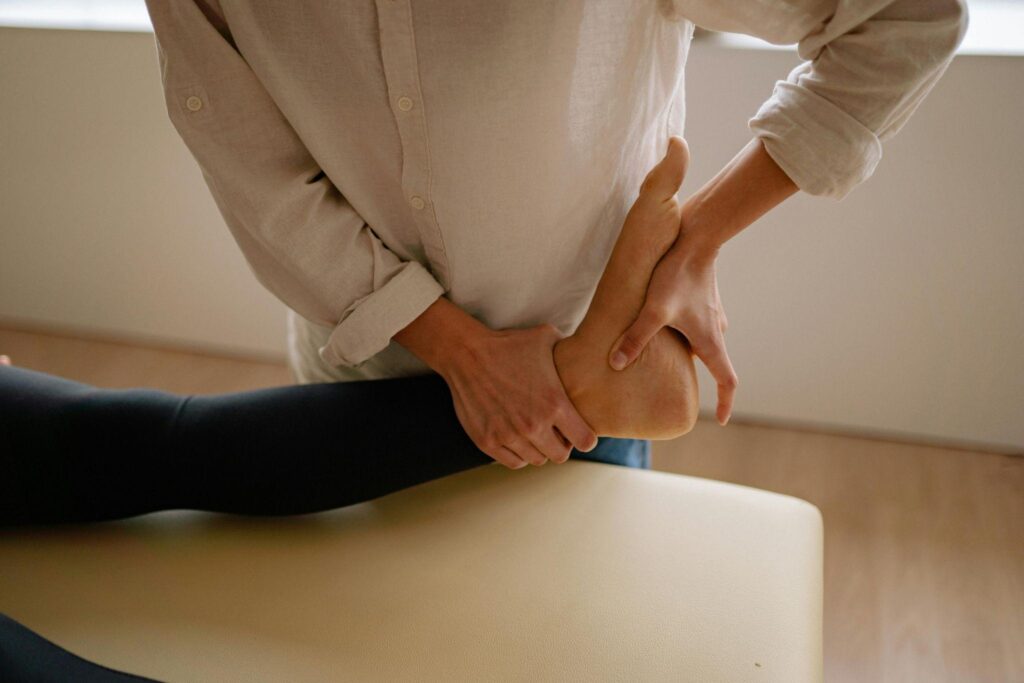
Every step you take, whether walking, exercising, or working, becomes challenging with foot pain. Overlooking the issue increased symptoms while decreasing movement ability.
To effectively treat foot pain, you need to know practical solutions that provide relief and promote long-term health. Utilizing the right methods can enhance movement and improve comfort significantly. Below are six helpful techniques for individuals dealing with foot pain.
1. Choose Supportive Footwear to Ease Daily Life
Supportive shoes with excellent cushioning and a wide forefoot will help to prevent and manage foot pain. You will also be avoiding conditions such as plantar fasciitis, bunions, and heel pain.
The right footwear will depend on your foot type and what activities you undertake. Consulting a podiatrist for tailored recommendations for your foot structure is also crucial, especially if you have flat feet or high arches.
Ensure to regularly change your old shoes, as reduced support contributes to discomfort and injury. You will continue receiving consistent support and prevent unnecessary strain with new ones.
2. Explore Professional Treatments for Persistent Pain
A foot ache that is severe and lasts for a very long time requires an expert’s intervention. Podiatrists, chiropractors, and physical therapists can diagnose the cause of the aching foot and treat it. It will benefit you in the long term, especially through custom orthotic therapy or alignment correction therapy.
Individuals often ask, how can chiropractic care help with foot pain? Chiropractors help individuals with problems concerning spinal, ankle, and foot alignment. The right approach increases mobility and alleviates pressure on the injured joints, preventing overstaining.
3. Stretch and Strengthen Your Feet Regularly
The major causes of chronic foot pain can be attributed to muscles that are too tight and weakened foot structures. The body’s muscles require better flexibility in their function, which can be achieved through regular stretching and strengthening exercises. You can easily improve flexibility, reduce tension, and support better alignment by doing the following exercises correctly:
- Toe curls
- Sand walking
- Big toe stretches
- Achilles stretches
- Toe splay
4. Manage Inflammation through Rest, Cold Therapy, and Foot Elevation
Swelling caused by inflammation will cause pain in the affected area of the foot. It makes it difficult to carry out daily activities. Resting after a prolonged session of walking or working vigorously helps in repairing tissue irritation. Cold therapy application for a few minutes can help reduce swelling and also pain in the targeted area of the foot.
Foot elevation is a technique that can help in reducing fluid accumulation. Post-exercise, the elevation is crucial for enhancing blood circulation and reducing pressure. It becomes an efficient method in healing muscle strains and overuse injuries.
5. Maintain a Healthy Body Weight
Being overweight leads to an extra strain put on the body, thus resulting in intensified pain in the feet, especially in the heel and arch areas. The extra strain on the body will be most significant to the joints, therefore making movements extremely painful.
Reduction of strain can be achieved through weight control by making small changes like controlling your portions, weight loss medication, getting good sleep, and regular exercise. It will be comfortable to start with low-impact exercise like swimming and cycling. Even a modest weight loss can help in improving mobility and decreasing pain.
6. Address the Underlying Medical Condition Early
Foot pain may often point to medical issues like arthritis, diabetes, and nervous system disorders. Medical professionals will attend to the signs exhibited by patients as well as the underlying medical condition causing it. Diagnosis of this ailment in early stages will aid in avoiding severe medical issues and provide for successful treatment of foot pain.
An individual needs to visit a doctor regularly if there is ongoing severe foot pain or if there are symptoms such as swelling and numbness. It becomes possible to maintain movement for a better quality of life if treatment of the issue starts immediately.
Endnote
Managing the onset of foot pain requires commitment to a treatment program while also dealing with the prevention and monitoring of the feet. With daily self-care and correct habits, you’ll reduce foot pain and increase movement capability. You also want to bring in professional assistance, who will curate the right interventions.


 Thraxulon Kritdel


 Heather Arranie


