
 Yplostylia Varkonin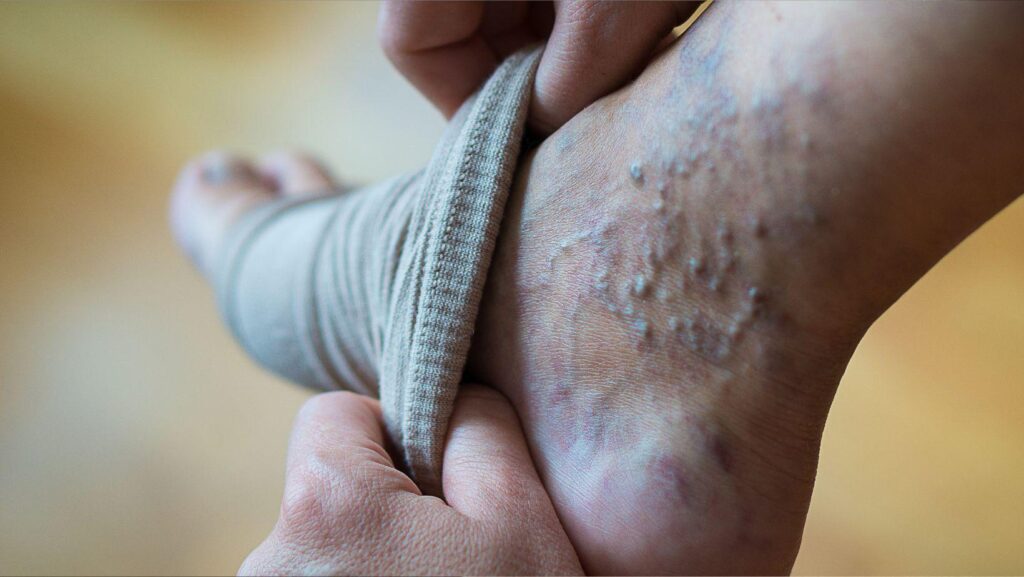
Varicose veins in the legs are often dismissed as a minor cosmetic issue, yet that view can delay needed care. These enlarged, twisted veins usually reflect weakened valves and poor blood flow back to the heart. Over time, pressure can build inside the leg veins and trigger new symptoms. Without proper attention, discomfort, swelling, skin changes, and visible vein damage may become harder to ignore and tougher to manage.
Early signs are easy to overlook
Many people first notice bulging leg veins, mild aching, or a heavy feeling after long hours of sitting or standing. Because symptoms can come and go, treatment is often postponed. For people weighing options, learning about varicose vein treatment near Peoria can help connect worsening leg symptoms with chronic venous insufficiency, which is a medical issue rather than a simple appearance concern.
Pressure inside the veins keeps building
Healthy leg veins use one-way valves to move blood upward. When those valves weaken, blood can fall backward and pool. That backward flow raises venous pressure each day. As pressure rises, veins can stretch further and lose more function. This creates a cycle in which symptoms slowly intensify rather than remain stable.
Discomfort rarely stays the same
A small ache can turn into daily soreness, throbbing, or burning over time. Some people also report leg fatigue by late afternoon. Others experience restless legs at night. These changes matter because they suggest the vein problem is affecting circulation more than it did before. Waiting can make mild irritation a regular part of daily life.
Swelling can become more frequent
Untreated vein disease often causes fluid to collect in the lower legs. At first, swelling may appear only after travel, work shifts, or hot weather. Later, it can happen more often and last longer. Persistent swelling places extra stress on skin and soft tissue. That can make walking, exercise, and prolonged standing less comfortable.
Skin changes signal advancing vein disease
As circulation worsens, the skin near affected veins may start to look different. Brownish discoloration, dryness, or itching can develop around the lower leg. Those signs are easy to mistake for a simple rash. In reality, they may point to long-term venous pressure. Once skin health begins to decline, the condition has usually progressed beyond an early stage.
Ulcers become a serious risk
In advanced cases, poor vein function can damage the skin to the point of causing open sores on the lower leg. These ulcers can be painful and slow to heal. They may also return if the root circulation problem remains untreated. That possibility is one reason early evaluation matters. Addressing symptoms sooner can reduce the chance of reaching this difficult stage.
Pregnancy, age, and work habits can add strain
Several factors can cause varicose veins to worsen faster. Pregnancy increases pressure in leg veins. Aging can weaken vein walls and valves. Jobs that require long standing or extended sitting may also add stress. Genetics plays a role as well. While these factors cannot always be changed, their effect can be reduced when symptoms are taken seriously early.
Home measures help, but limits remain
Walking, leg elevation, weight management, and compression can support vein health. These steps may reduce daily discomfort for some people. Still, supportive care does not correct damaged valves. If symptoms continue, a vein specialist may recommend imaging and a treatment plan based on the source of reflux. That distinction matters because lasting relief usually depends on treating the underlying problem.
Modern care can address the cause
Current vein medicine offers several minimally invasive treatments for diseased leg veins. Depending on the case, options may include radiofrequency ablation, sclerotherapy, microphlebectomy, adhesive closure, or ultrasound-guided care. These treatments aim to close or remove unhealthy veins so blood can reroute through healthier pathways. When circulation improves, symptoms often ease, and the risk of further damage can drop.
Delayed care can narrow options
Early treatment can be simpler than care delivered after years of progression. Once swelling, skin changes, or the risk of ulceration enter the picture, recovery may take longer. A prompt evaluation also helps rule out other causes of leg pain or swelling that need separate attention. A clear diagnosis matters because visible veins do not always show the full extent of internal vein disease.
Conclusion
Untreated varicose veins often worsen because the pressure problem inside the leg veins does not correct itself. What begins as visible bulging or mild heaviness can progress into swelling, skin injury, and chronic pain. Simple lifestyle steps can help, but persistent symptoms deserve medical attention. Timely evaluation and appropriate minimally invasive treatments can protect leg health, improve comfort, and help prevent a manageable issue from becoming far more disruptive.


 Thraxulon Kritdel


 Heather Arranie


