
Spinal Cord Injury Treatments: A Guide to MSCs, NSCs, and iPSCs
 Yplostylia Varkonin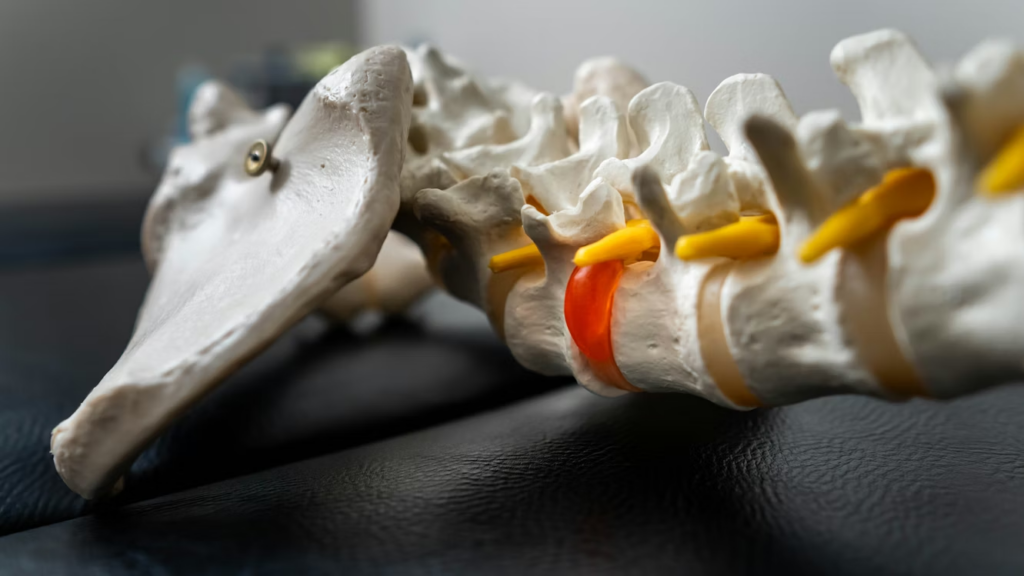
Image: Spinal cord model | Julius Toltesi via Unsplash
A spinal cord injury can change daily life in an instant, turning simple things into real challenges. In that reality, people start looking for treatments that go beyond just getting by. That’s where spinal cord injury stem cells are gaining attention, offering a more advanced path toward recovery.
For those exploring innovative options, using stem cells for spinal cord injury treatment is becoming an increasingly discussed approach in regenerative medicine.
MSCs, NSCs, and iPSCs may sound technical, but they’re becoming real options for people who want to improve function and regain a sense of control in their lives.
What Happens in a Spinal Cord Injury?
Your spinal cord keeps your brain and body connected. When it’s injured, that connection is disrupted, and things don’t work the same. Movement can become limited, feelings can fade, and even simple daily functions may change.
The injury happens in two parts. First comes the initial damage. Then, in the hours and days after, swelling can make things worse. This second stage is where treatment focuses, helping protect what’s left and support recovery.
How Stem Cell Therapy Works for SCI
Healing after a spinal cord injury can feel slow, which is why spinal cord injury stem cells are getting attention. They work with your body to support recovery.
Here’s how:
- Act like helper cells around the injury
- Reduce swelling to prevent more damage
- Signal the body to start repairing
- Support better connections between the brain and body
- Sometimes replace damaged cells
It’s not a quick fix, but a way to help the body rebuild over time.
Mesenchymal Stem Cells (MSCs): The Most Widely Used Option
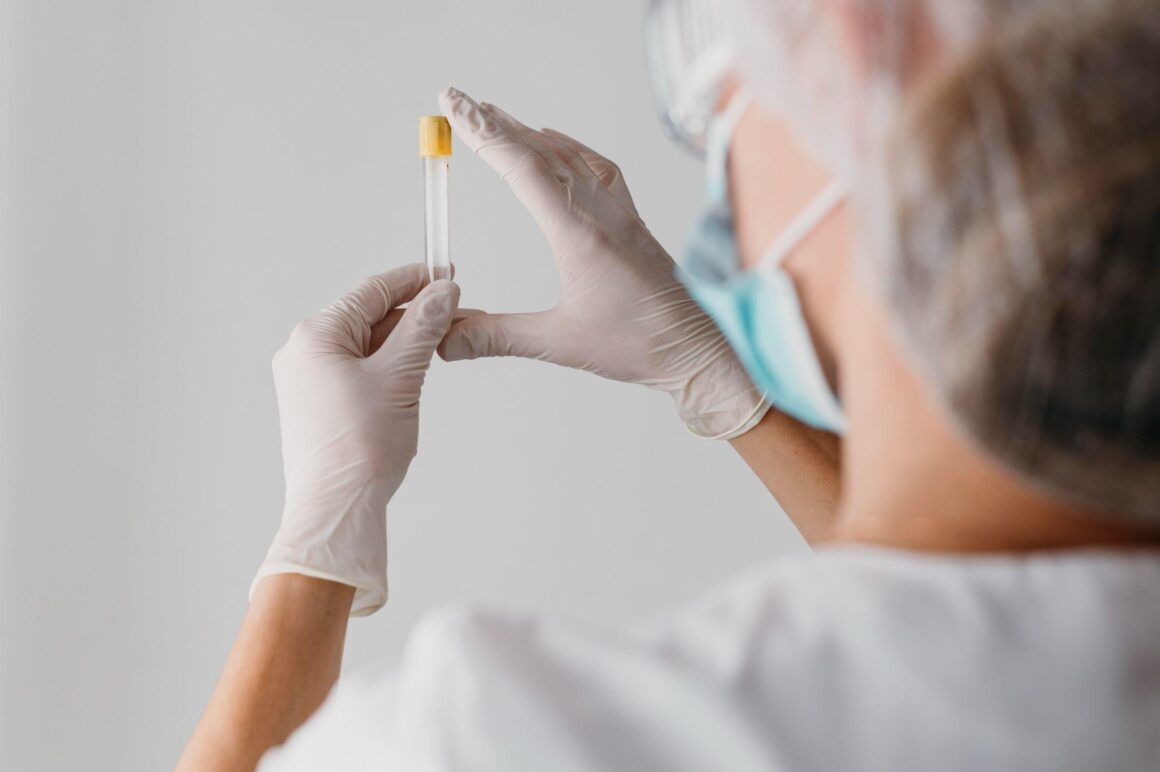
Image: Stem cell sample used in the treatment | Freepik
MSCs are among the most commonly used stem cells. They are typically sourced from bone marrow, fat tissue, or umbilical cord tissue.
Their primary role is supportive. MSCs help regulate inflammation and create an environment that encourages repair. This makes them a practical option in many clinical settings.
Clinics such as Swiss Medica have incorporated MSC-based approaches, expanding access to this type of care.
Neural Stem Cells (NSCs): Direct Nervous System Repair
NSCs focus more directly on rebuilding the nervous system. Unlike MSCs, they can develop into specialized nerve cells.
Their key functions include:
- Differentiating into neurons and supporting cells
- Replacing damaged nerve tissue
- Encouraging new neural connections
Because of this, NSCs are often studied for their potential to restore lost neurological function.
Induced Pluripotent Stem Cells (iPSCs): The Future of Personalized Medicine
iPSCs are created from a patient’s own cells, making them a more personalized option in regenerative care, including the use of a stem cell for spinal cord injury.
They can:
- Transform into different types of cells needed for repair
- Lower the risk of immune rejection
- Adapt to the body’s specific needs
This flexibility makes iPSCs a promising step forward in how spinal cord injuries may be treated.
Comparing MSCs, NSCs, and iPSCs
When it comes to spinal cord injury therapy, each type of stem cell helps in its own way. Think of them as different kinds of support your body can lean on.
| Type | How They Help | What It Feels Like |
| MSCs | Support a repair environment | Reduce inflammation and stabilize tissue |
| NSCs | Rebuild nerve cells | Replace and reconnect neural pathways |
| iPSCs | Personalized regeneration | Adapt to patient-specific needs |
Each type contributes differently, but all aim to improve function over time.
Risks, Limitations, and Ethical Concerns
While promising, stem cell therapies come with important considerations:
- Results vary between individuals
- Some approaches are still under research
- There is a risk of unintended cell behavior
- Progress typically takes time
- Choosing a reputable clinic is essential
Ongoing research continues to evaluate both safety and effectiveness in this field.
The Future of Stem Cell Therapy for Spinal Cord Injury
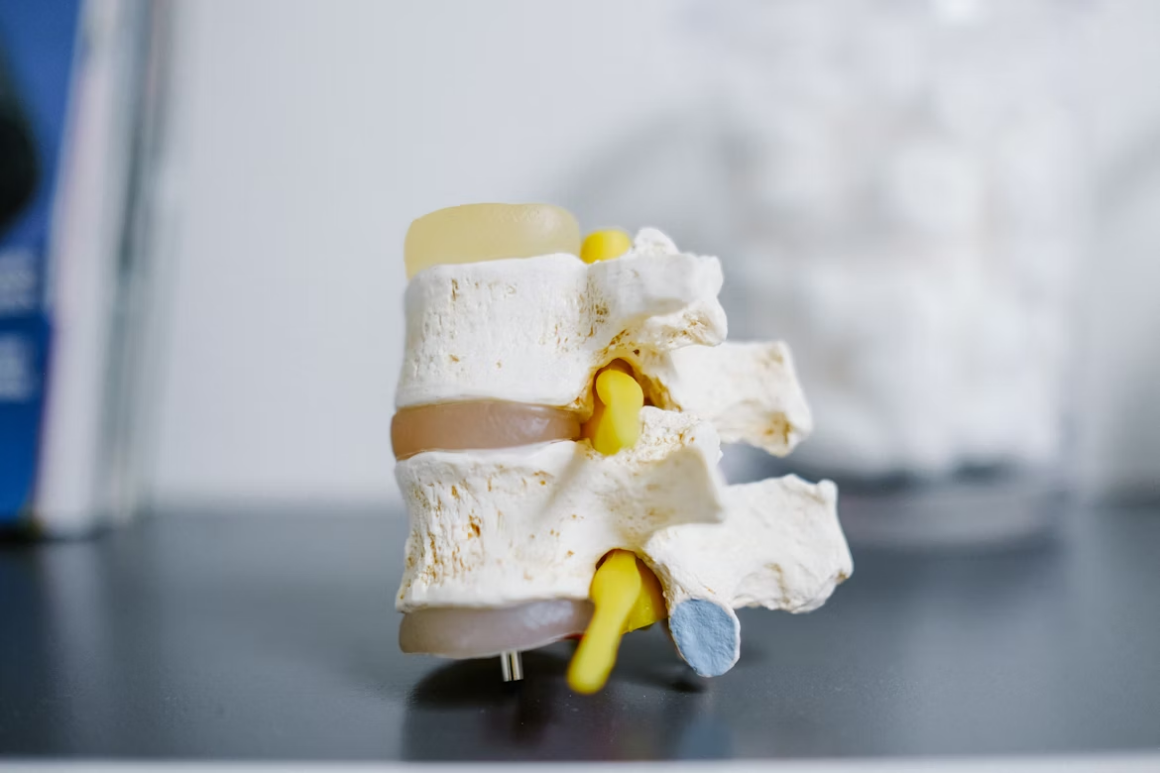
Image: Closeup of a part of the spinal cord | Kenny Eliason via Unsplash
What once felt like a long shot is starting to feel more real. Step by step, stem cell therapy is becoming part of how recovery is approached, not just something talked about.
Treatments are getting smarter, combining stem cells with rehab and other methods to give the body a better chance to respond. There’s also a growing focus on making care more personal, so it fits each person, not just the condition.
It’s not about sudden breakthroughs. It’s about steady progress that brings more hope, more options, and a clearer path forward.
In Conclusion
A spinal cord injury can change your life in an instant, but research is providing patients with new options to make them feel better. Approaches like MSCs, NSCs, and iPSCs open new doors to spinal cord injury therapy, providing better support and continuous progress to patients.
Clinics like Swiss Medica are part of this transformative shift, offering you more paths to explore at your own pace.
Because in therapy, every small step forward can lead to a big difference.
Have you tried any of these therapies? Share your thoughts and experiences to help other patients explore their options.


 Thraxulon Kritdel


 Heather Arranie


