Heather Arranie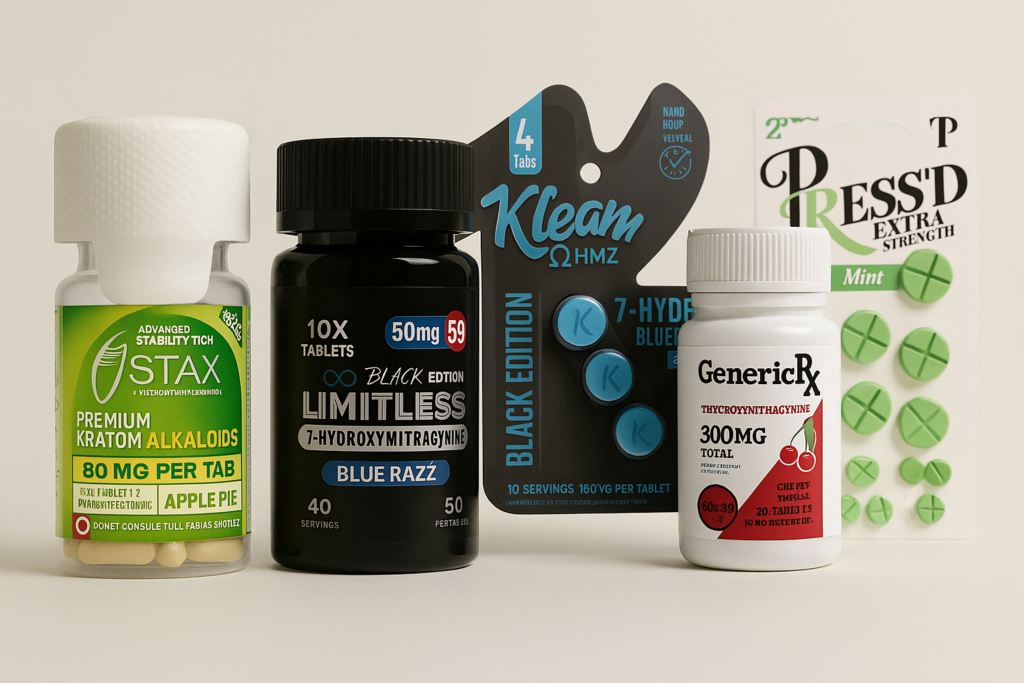
As interest in 7‑Hydroxymitragynine (7‑OH) grows, so does the need for clear, responsible information about how to use it safely. This compound, a potent alkaloid naturally found in the kratom plant, has effects that are stronger than the more common kratom compound mitragynine, and it interacts with the body in ways similar to opioid‑acting substances. That means respect for its potency and informed use are essential.
Whether you’re completely new to 7‑OH or an experienced kratom user exploring concentrated products, safety should be your top priority. Below is a user‑friendly look at how to approach dosing, what to watch out for, and how to reduce risks.
Understanding 7‑OH’s Potency
7‑OH is a minor but powerful alkaloid in kratom that binds more strongly to opioid receptors in the brain than mitragynine.
In raw kratom leaves, it usually appears in very small amounts, often less than 0.05% of the plant material. That means most of the intense effects people associate with 7‑OH come from isolated, enhanced, or extract‑based products rather than kratom leaf itself.
Because of this potency, standard dosing guidelines for kratom leaf don’t apply to 7‑OH. Taking a “normal” dose of a concentrated 7‑OH product can result in effects that are much stronger than expected.
General Dosing Principles
Everybody is different; metabolism, weight, tolerance, and overall health affect how someone responds. That said, responsible use starts with caution:
1. Start Low and Be Patient
- Begin with a low amount: Consider a fraction of a full 7OH tablet or a known small dose, especially if you’ve never tried it before.
- Wait before adding more: Effects can take time to peak. Waiting 60–90 minutes before redosing helps avoid accidentally taking too much.
2. Typical Dosing Ranges (Guidance Only)
Because 7‑OH products vary widely in strength, exact milligram numbers are hard to standardize. But in general usage guides:
- Low dose: Light mood lift or energy
- Moderate dose: Noticeable relaxation and relief
- Higher doses: Stronger sedation or analgesia (only for experienced users and with caution)
- Very high doses: Not recommended due to increased side effect risk, such as nausea, sedation, and more severe reactions are possible.
Recognizing and Managing Side Effects
Even when used responsibly, 7‑OH can cause side effects. Especially at higher doses or when combined with other substances.
Common Reactions
- Nausea and dizziness: These are frequently reported, especially early on or if taken without food.
- Sedation: Increasing the dose can lead to strong relaxation or drowsiness.
- Cognitive effects: Confusion, impaired judgment, or slowed reaction time may occur, particularly at higher amounts.
If you experience unpleasant effects:
- Stop using more and rest in a safe, calm environment.
- Hydrate and eat lightly if nausea occurs.
- Seek medical help if symptoms are severe (trouble breathing, fainting, or unresponsiveness).
Interactions and Safety Precautions
Because 7‑OH influences the central nervous system and opioid receptors, it should never be mixed with certain other drugs or substances:
Avoid These Combinations
- Alcohol: Can enhance sedation and increase risks like respiratory depression.
- Other sedatives or opioids: Combining with benzodiazepines or prescription opioids can be dangerous.
- Stimulants: May strain the cardiovascular system and heighten anxiety or heart rate.
If you’re taking any prescription medications, especially those affecting the brain or nerves, talk with a healthcare provider before trying 7‑OH.
Tolerance, Dependence, and Responsible Patterns
Using potent substances regularly can lead to tolerance, where your body needs more to feel the same effect, and even dependence.
To reduce these risks:
- Take breaks: Example: a few days off each week.
- Rotate products: If you use kratom or 7‑OH frequently, varying what you take and when can help prevent escalating tolerance.
- Use the lowest effective dose: Higher doses offer more risk than reward.
Choosing Quality Products
Not all products on the market are created equal. And potency and purity vary. Because 7‑OH is unregulated by the FDA as a supplement, many products lack standardization.
To reduce risk:
- Look for third‑party lab testing (COAs) that confirm actual alkaloid content and check for contaminants.
- Choose trusted vendors who provide transparent testing results.
Final Thoughts
7‑Hydroxymitragynine is a more potent compound than standard kratom leaf, and that potency means respect for dosing and safety is essential. Begin with lower amounts, give your body time to respond, be aware of how it interacts with other substances, and prioritize quality products with verified testing.
Knowledge and caution help ensure a safer, more effective experience.
Safety Reminder
This guide is informational and not medical advice. If you have health concerns or take other medications, consult a medical professional before using 7‑OH or any potent kratom derivatives.