
 Thraxulon Kritdel
For adults dealing with persistent fatigue, slower recovery, declining body composition, disrupted sleep or unexplained changes in physical and cognitive performance, the search for answers often begins online. By 2026, access to information about hormone health and growth hormone therapy is more widespread than ever before. The problem is that access to information does not automatically mean access to reliable guidance.
The way adults search for HGH therapy today has a direct impact on the quality of treatment they ultimately receive — and in many cases, on whether they receive legitimate medical care at all.
There are now more pathways to growth hormone therapy than at any point in the past. Telehealth platforms and specialist hormone clinics have expanded significantly, making properly supervised evaluation and treatment more accessible for adults who may never have pursued hormone testing otherwise. For people with genuine deficiency or clinically relevant hormonal dysfunction, this has created opportunities for earlier assessment and more personalised care.
At the same time, the unregulated market surrounding HGH has grown just as quickly.
Online marketplaces, grey-market suppliers, underground injectables and so-called “alternative” hormone products now occupy a massive portion of search results related to growth hormone therapy. Many are marketed using clinical terminology and professional branding that can appear legitimate at first glance, even when there is little or no medical oversight behind them.
This creates a major problem for adults trying to make informed decisions.
One of the most important distinctions in the modern HGH landscape is the difference between medically supervised therapy and product-driven marketing. Legitimate providers begin with diagnostics, not sales. Unregulated sellers usually begin with promises, pricing and rapid access.
Adults searching responsibly for hormone therapy are increasingly learning that the safest and most productive process starts with symptoms and objective assessment rather than searching directly for products. Fatigue, poor recovery, increased abdominal fat, reduced exercise capacity, disrupted sleep and declining motivation may have hormonal explanations, but they can also stem from thyroid dysfunction, chronic stress, metabolic issues, sleep disorders or nutritional deficiencies. Without proper testing, self-diagnosis often leads people toward the wrong intervention entirely.
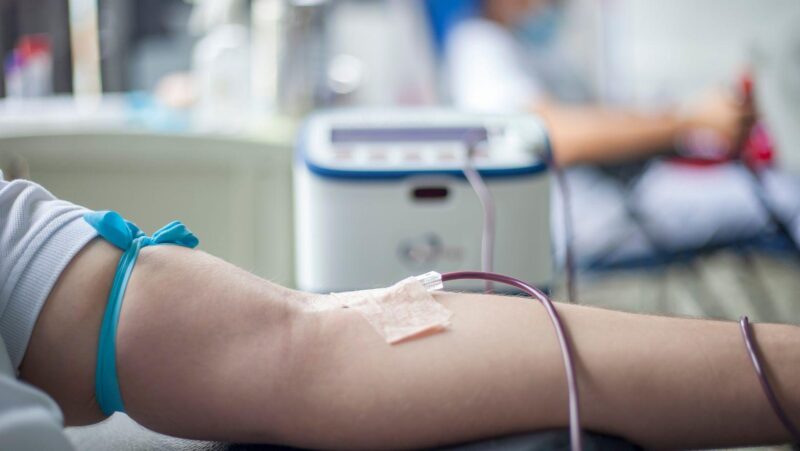
This is why reputable providers require comprehensive diagnostics before prescribing anything. IGF-1 testing, full hormonal panels and metabolic assessment are not optional hurdles added for convenience — they are the foundation of determining whether HGH deficiency is actually present.
Adults researching legitimate hgh for sale through a medical provider are often surprised to learn that therapy is not structured around simply purchasing a compound. The process begins with evaluation, baseline measurements and determining whether treatment is clinically appropriate in the first place.
That distinction matters because growth hormone therapy is highly dependent on individual response. Dosing is not universally standardised, and effective treatment requires monitoring over time. Follow-up testing, symptom tracking and protocol adjustments are what separate supervised therapy from unsupervised experimentation.
The price difference between legitimate pharmacy-grade HGH and unregulated alternatives also reflects that reality. Properly manufactured medication, physician oversight, diagnostic testing and long-term monitoring create higher costs than grey-market products sold without supervision. While some adults initially seek cheaper alternatives, many eventually arrive at legitimate providers after experiencing inconsistent results, questionable product quality or avoidable complications from self-managed use.
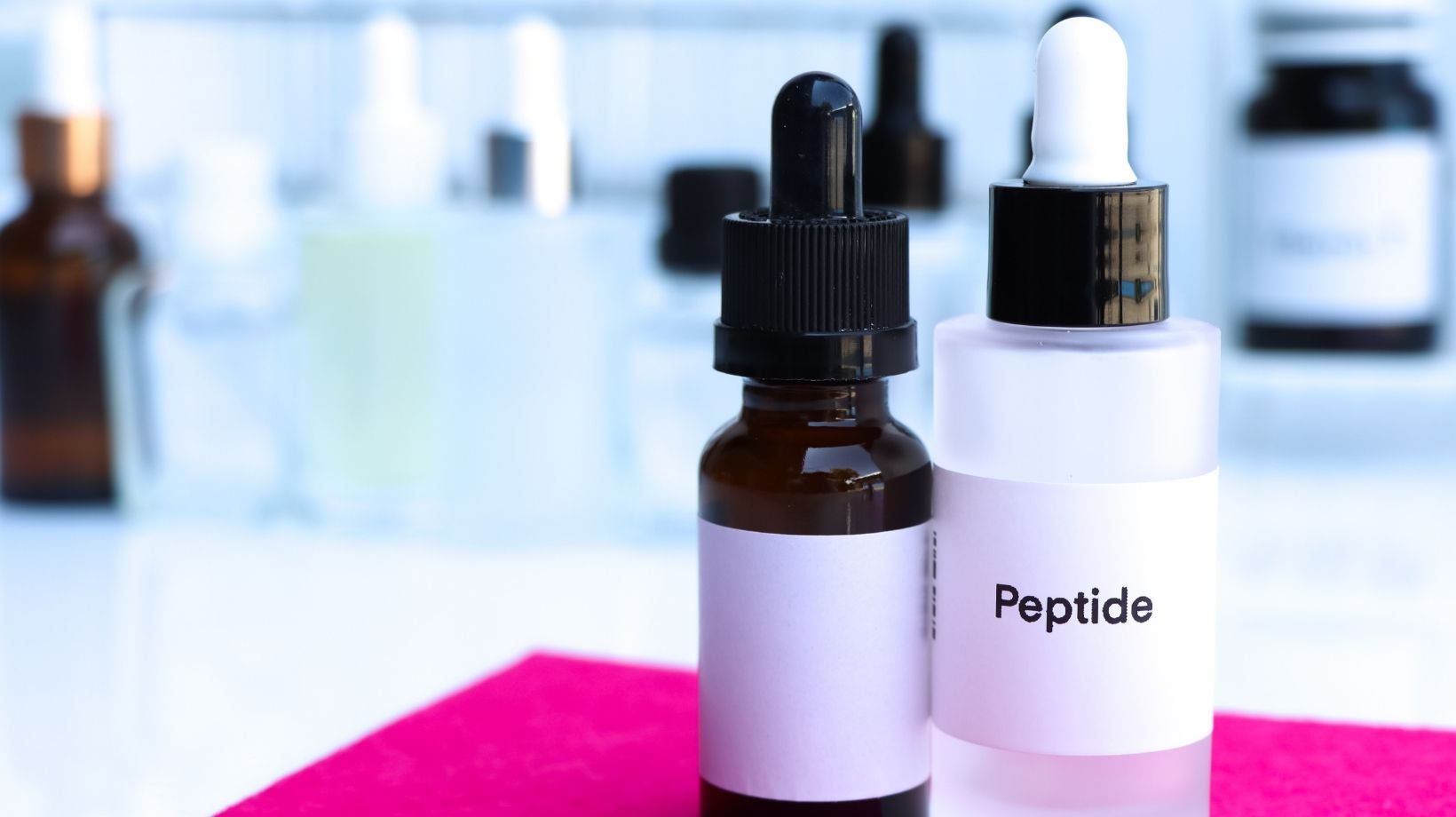
Another increasingly common issue in 2026 is confusion surrounding peptide therapies, “natural HGH boosters” and injectable compounds marketed in vague or misleading ways. Some occupy a medically legitimate space under supervision, while others are sold with exaggerated claims unsupported by meaningful clinical oversight. For adults unfamiliar with hormone medicine, the difference can be difficult to recognise without guidance from a qualified provider.
What separates productive research from problematic research is usually not how much information someone consumes, but what they prioritise during the search.
Adults who approach HGH therapy responsibly tend to focus on:
● Diagnostic testing before treatment decisions
● Providers who require medical evaluation and follow-up
● Objective hormone data rather than marketing claims
● Individualised protocols instead of generic dosing promises
● Long-term monitoring and safety oversight
● Clinically realistic expectations about outcomes
For many people, the most valuable result of that process is not necessarily receiving HGH therapy itself. Sometimes the outcome is discovering that symptoms stem from another hormonal or metabolic issue entirely. A legitimate clinical process either confirms the diagnosis or redirects attention toward what is actually driving the problem.
When HGH deficiency is identified and appropriately treated, adults typically benefit from protocols calibrated to their specific physiology rather than one-size-fits-all approaches. Progress is measured against baseline data collected before treatment began, allowing providers to track meaningful changes in recovery, body composition, sleep quality, energy levels and metabolic health over time.
Equally important is the ongoing clinical relationship. Hormonal therapy is rarely static. The body’s response evolves, which is why responsible providers adjust treatment based on monitoring rather than leaving patients to manage powerful interventions independently.
For adults who have moved past general curiosity and want to understand what legitimate access to HGH for sale looks like from diagnostic assessment through to ongoing supervised treatment, starting with a qualified provider who structures the process around individual clinical need is where the search should end.
Conclusion
The search for HGH therapy in 2026 is no longer limited by lack of access. The challenge now is distinguishing legitimate medical care from the growing volume of unregulated alternatives surrounding the industry.
Adults who approach the process carefully — beginning with symptoms, diagnostics and medically supervised evaluation — are far more likely to find safe, evidence-based guidance and realistic outcomes. Hormonal therapy works best when it is structured around individual physiology, monitored over time and supported by qualified clinical oversight.
In a landscape filled with shortcuts and aggressive marketing, the quality of the search itself often determines the quality of the outcome.

 Yplostylia Varkonin


 Heather Arranie




 Lucy Payton