Heather Arranie
Healthcare organizations operate in an environment where financial margins are tight and payer rules are constantly evolving. Even high-performing clinical teams can struggle if reimbursement structures are not aligned with the true value of services delivered. As a result, contract strategy and data analysis have become essential components of sustainable growth.
Many providers focus heavily on patient volume but overlook the impact of payer agreements on long-term profitability. Zoo Health works with healthcare organizations to evaluate contract performance and uncover hidden revenue opportunities. With the right insights, practices can move from reactive financial management to proactive strategic planning.
In today’s competitive landscape, understanding both numbers and negotiations is critical. Contract optimization, supported by strong analytics, gives providers the clarity they need to improve cash flow, reduce risk, and position themselves for future expansion.
Why Contract Optimization Matters
Payer contracts define how and when providers get paid. These agreements outline reimbursement rates, claim submission timelines, quality incentives, and denial procedures. Small differences in contract language can significantly affect overall revenue.
Many practices sign agreements without fully analyzing their long-term implications. Over time, underperforming contracts can limit profitability even when patient demand is strong. Reviewing contract terms regularly helps identify gaps between expected and actual reimbursement.
Optimization is not about confrontation; it is about clarity. When providers understand their data, they can negotiate from a position of strength and pursue fair compensation for the care they deliver.
The Role of Healthcare Analytics
Turning Raw Data into Strategy
Healthcare organizations generate large volumes of billing and operational data every day. Without structured analysis, this information remains underused. Analytics tools transform raw numbers into actionable insights.
For example, detailed reports can reveal which payers reimburse most reliably and which frequently delay payments. They can also highlight trends in claim denials tied to specific codes or documentation patterns. These findings provide a foundation for smarter contract discussions.
When leadership teams base decisions on data rather than assumptions, financial planning becomes more accurate and predictable.
Measuring True Contract Performance
A contract may appear favorable on paper but perform poorly in practice. Hidden issues such as frequent downcoding or extended payment timelines can reduce expected revenue. Ongoing monitoring ensures that agreements deliver their intended value.
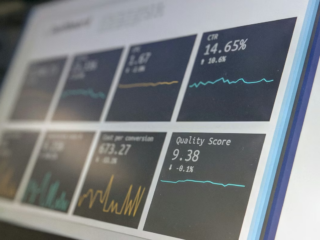
Performance dashboards allow administrators to compare reimbursement rates across payers and service lines. This transparency helps identify opportunities for renegotiation or restructuring.
Clear metrics also support conversations with stakeholders, demonstrating how operational adjustments contribute to measurable improvements.
Strengthening Revenue Cycle Efficiency
Contract optimization works best when paired with strong revenue cycle management. Accurate coding, timely submissions, and consistent follow-up are necessary to capture full reimbursement.
Many organizations rely on Medical Billing Services in United States to improve these processes and reduce administrative strain. When billing operations run smoothly, contract performance data becomes more reliable and easier to interpret.
Efficient revenue cycles also enhance negotiating power. Clean claims and low denial rates demonstrate operational competence, strengthening a provider’s position during payer discussions.
Aligning Contracts with Care Innovation
Healthcare delivery models continue to evolve. Services such as chronic care management and remote patient monitoring require contracts that recognize their value. If agreements are outdated, providers may not receive appropriate reimbursement for these programs.
Zoo Health supports organizations in aligning payer contracts with modern care models. By reviewing utilization trends and reimbursement patterns, practices can identify whether innovative services are properly covered.
This alignment ensures that investments in technology and care coordination translate into sustainable revenue. It also reduces the risk of expanding services without adequate financial support.
Reducing Financial Risk
Addressing Denial Patterns
High denial rates often signal deeper contractual or documentation issues. Analytics can pinpoint recurring problems tied to specific payers or procedures. Once identified, these issues can be addressed through improved documentation or contract clarification.
Reducing denials saves time and administrative costs. It also accelerates payment cycles, improving overall cash flow stability. Proactive monitoring prevents minor discrepancies from escalating into significant revenue losses.
Preparing for Value-Based Models
Value-based reimbursement structures reward quality and outcomes rather than service volume alone. Contracts increasingly include performance benchmarks tied to patient satisfaction, readmission rates, or preventive care metrics.
Understanding these benchmarks requires careful data analysis. Practices must track performance consistently to ensure they meet incentive thresholds. Without accurate reporting, they risk missing bonus opportunities or facing penalties.
Strategic analytics help organizations stay ahead of these requirements and adapt contracts accordingly.
Supporting Leadership Decision-Making
Contract and financial data influence many strategic choices, including expansion plans, staffing levels, and service offerings. Leaders who rely on accurate analytics can make confident decisions backed by evidence.
For example, if data shows strong reimbursement trends in a particular specialty, a practice may choose to invest further in that area. Conversely, underperforming service lines may require renegotiation or operational adjustments.
Transparency in financial performance builds trust within leadership teams and supports collaborative planning.
Improving Long-Term Stability
Sustainable growth depends on predictable revenue streams. Contract optimization reduces uncertainty by ensuring that reimbursement terms reflect current service models and market conditions.
Regular performance reviews create a culture of accountability. Instead of reacting to financial shortfalls, organizations can anticipate challenges and adjust strategies proactively.
This stability benefits administrators, clinicians, and patients. When finances are secure, providers can focus on delivering high-quality care without constant budget concerns.
Creating a Competitive Advantage
Healthcare markets are increasingly competitive. Organizations that understand their financial data gain a clear advantage over those relying on outdated assumptions.
By combining advanced analytics with thoughtful negotiation strategies, practices can secure favorable terms and improve operational efficiency. Strong contracts support innovation, technology upgrades, and patient-centered initiatives.
Zoo Health helps healthcare organizations bring clarity to complex financial landscapes through structured analytics and contract evaluation. With informed strategies and continuous performance monitoring, providers can strengthen profitability while maintaining their commitment to exceptional patient care.