Yplostylia Varkonin
Acid reflux is commonly known for causing heartburn, but many people are surprised to learn that acid reflux can cause breathing problems as well. For some, reflux leads to wheezing, coughing, or a sudden feeling of restricted airflow. If you’ve ever wondered, “Can acid reflux cause shortness of breath?” The answer is yes, reflux can irritate the airways and impact breathing.
In certain cases, these symptoms can be intense enough that people seek evaluation at places such as the Del Rio emergency room, especially when the breathlessness feels sudden or severe.
How Acid Reflux Affects the Body
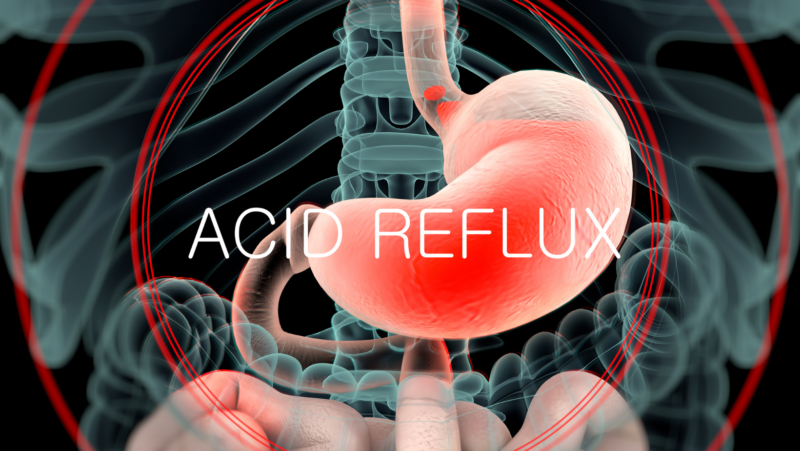
Acid reflux occurs when stomach acid flows backward into the esophagus, often due to a weakened lower esophageal sphincter (LES). Common symptoms include heartburn, regurgitation, indigestion, and chest discomfort. In some cases, acid travels higher into the throat or airways, a condition known as laryngopharyngeal reflux (LPR). This can irritate the throat, vocal cords, and airways, leading to breathing-related symptoms even without typical heartburn.
If symptoms become frequent or worsen, an emergency room near me may be needed to prevent complications and ensure proper treatment.
How Acid Reflux Affects Breathing
Acid reflux can interfere with normal breathing by irritating sensitive airway tissues and triggering reflexes that affect lung function. Shortness of breath associated with GERD can feel sudden and alarming, often mimicking asthma or even heart-related conditions. This happens because acid reflux not only affects digestion, but it can also directly influence airway function and breathing patterns.
The connection between shortness of breath (SOB) and GERD occurs for two main reasons, both of which contribute to common reflux-related respiratory symptoms.
Airway Irritation
When stomach acid reaches the throat or upper airways, it can inflame sensitive tissues and cause swelling. This irritation narrows airflow, leading to symptoms such as chest tightness, wheezing, coughing, or the sensation of not getting enough air. Airway irritation may worsen during physical activity, after meals, or when lying flat.
Esophageal–Bronchial Reflex
The esophagus and lungs share nerve pathways. When stomach acid irritates the esophagus, it can trigger a reflex that causes the airways to tighten, even if acid never directly enters the lungs. This reflex can result in sudden breathlessness or pressure in the chest.
Chronic Cough
Acid reflux can stimulate nerves in the throat, leading to persistent coughing or frequent throat clearing. Many people with GERD are unaware that a chronic cough may be reflux-related rather than caused by allergies or respiratory infections.
Asthma-Like Symptoms
Reflux can worsen existing asthma or mimic asthma attacks by increasing airway sensitivity. This may cause wheezing, shortness of breath, or sudden breathing discomfort, particularly in people with underlying respiratory conditions.
Nighttime Breathing Problems
Symptoms often worsen at night when lying down, allowing acid to flow more easily into the esophagus and throat. Nighttime reflux may cause coughing, wheezing, or sudden episodes of breathlessness that disrupt sleep and increase anxiety.
Signs of Acid Reflux You Should Know
Acid reflux can produce respiratory symptoms that feel concerning but are often linked to airway irritation rather than lung disease. Common signs include:
- Shortness of breath linked to GERD
- Wheezing or noisy breathing
- Chest tightness or pressure
- Persistent cough or throat clearing
- Difficulty taking a full breath
- Sensation of acid reaching the throat or airway
How to Reduce Reflux-Related Breathing Problems
Lifestyle changes can significantly reduce reflux-related breathing symptoms. Helpful strategies include:
- Avoid eating close to bedtime
- Limit trigger foods such as spicy, acidic, or fried foods
- Elevate the head while sleeping
- Eat smaller, lighter meals
- Maintain a healthy weight
- Avoid smoking
When to Seek Medical Help
Breathing problems should never be ignored. Seek medical attention if reflux-related symptoms are persistent, worsening, or accompanied by chest pain, dizziness, or severe shortness of breath. Early evaluation helps manage GERD-related complications and improves both digestive and respiratory comfort.
Key Takeaways
- Acid reflux can cause breathing problems such as shortness of breath, wheezing, coughing, and chest tightness.
- These symptoms occur when stomach acid irritates the airways or triggers reflexes between the esophagus and lungs.
- Laryngopharyngeal reflux (LPR) may affect breathing even without heartburn.
- GERD can mimic or worsen asthma, especially at night or when lying down.
- Chronic reflux may cause chest pressure that feels like difficulty breathing.
- Sudden or severe shortness of breath should always be medically evaluated to rule out serious conditions.