Telehealth vs. In-Person Care: When You Actually Need a Doctor’s Visit
 Yplostylia Varkonin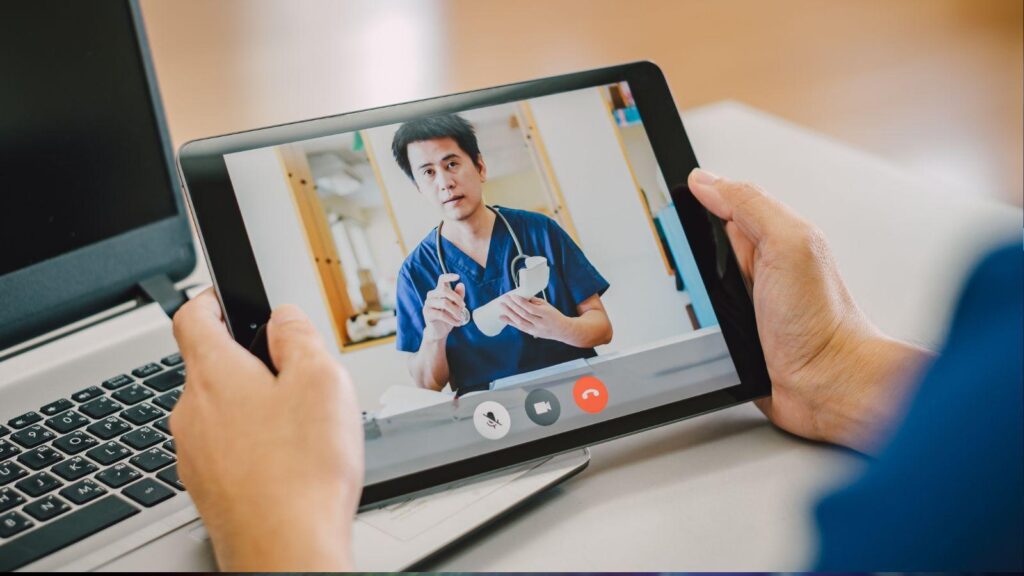
Somewhere between “just push through it” and “go to the ER,” most people get stuck. A sore throat, a stubborn cough, a rash that showed up overnight — none of it feels like an emergency, but it doesn’t feel ignorable either. The instinct is often to book whatever appointment is fastest, without asking whether the visit needs to happen in person at all.
That instinct is worth questioning. Telehealth has matured well past the pandemic-era stopgap it once was, and for a wide range of common complaints, it’s now a legitimate first stop rather than a consolation prize. The trick is knowing which symptoms belong on a screen and which ones belong in an exam room.
Why the Line Between Telehealth and In-Person Care Keeps Blurring
Part of the confusion comes from how differently telehealth is marketed depending on who’s selling it. Some platforms position virtual care as a replacement for nearly everything short of surgery. Others barely mention it, sticking to the old assumption that a real diagnosis requires a real waiting room. Neither extreme is accurate.
The honest answer is that telehealth is excellent at solving problems that rely on a conversation, a visual check, and a prescription — and it’s genuinely limited when a diagnosis depends on physical contact: listening to lungs, feeling for swelling, checking reflexes, or running labs on the spot.
When a Virtual Visit Is All You Need
Common Illnesses That Telehealth Handles Well
A large share of everyday sick-day visits fall into a category doctors sometimes call “low-acuity” — meaning the condition is uncomfortable but not dangerous, and the diagnosis is usually clear from symptoms alone. These are the visits where a webcam does the job just as well as an exam table.
- Cold and flu symptoms without difficulty breathing
- Sinus infections and seasonal allergies
- Mild urinary tract infections
- Pink eye, minor rashes, and skin irritation
In these cases, a provider can ask targeted questions, look at the affected area over video if needed, and send a prescription to the pharmacy before the call even ends. There’s no missing diagnostic step being skipped — the exam a doctor would perform in an office for these conditions is largely observational anyway.
The Documentation Question Nobody Explains Well
One of the biggest myths patients carry into these decisions is that a note for work or school only “counts” if it comes from an in-person visit. That’s simply outdated thinking. For minor illnesses that don’t require a physical exam, many patients are surprised to learn they can complete an entire visit online — including learning how to get an urgent care doctor’s note without ever leaving the couch. As long as the provider is licensed and the visit is properly documented, the resulting note carries the same weight as one handed to you in a waiting room.
This matters more than it seems on the surface. Dragging a contagious body into a shared waiting room just to get paperwork signed helps no one — not the patient, not the other people sitting nearby, and not the office trying to keep its schedule on track.
When You Need to Walk Through an Urgent Care Door
Red-Flag Symptoms That Require Hands-On Evaluation
There’s a firm ceiling to what telehealth can safely manage, and it exists for good reason. Some symptoms need a provider who can physically examine you, order imaging, or run bloodwork before making a call. Ignoring that boundary in favor of convenience is where things get risky.
- Chest pain, shortness of breath, or irregular heartbeat
- Deep cuts, suspected fractures, or injuries with visible deformity
- High fever that doesn’t respond to medication, especially in young children
- Severe abdominal pain, persistent vomiting, or signs of dehydration
None of these are symptoms a video call can safely rule out. A provider might sound calm on screen, but calm isn’t the same as capable — abdominal pain, for instance, can mean anything from mild indigestion to appendicitis, and the only way to tell the difference is a hands-on exam.
What a Telehealth Visit Actually Looks Like
For patients who haven’t tried it, the process tends to feel more informal than expected. Most platforms ask a short set of intake questions, connect you with a licensed provider within minutes, and wrap up the call with a treatment plan — whether that’s a prescription, a recommendation to monitor symptoms, or, when something sounds off, direct guidance to seek in-person care instead. That last part is worth noting: a good telehealth provider isn’t trying to keep every visit virtual. Part of the job is recognizing when a symptom has crossed into territory that needs a physical exam, and saying so plainly.
The Cost and Convenience Factor
Beyond the medical reasoning, there’s a practical one. Urgent care visits typically run higher than telehealth appointments, and that’s before factoring in the time spent driving, parking, and sitting in a waiting room next to other sick patients. For a condition that’s already been narrowed down to something minor, that extra cost and exposure buys very little.
None of this means telehealth is always cheaper or always faster in absolute terms — insurance coverage varies, and some platforms charge a flat fee regardless of complexity. But for the categories of illness telehealth is built to handle, the math tends to favor the couch over the commute.
How to Decide in the Moment
A Few Questions to Ask Yourself
When symptoms show up and the decision needs to happen fast, a short mental checklist tends to work better than guesswork:
- Is the symptom something a doctor could reasonably assess just by asking questions and looking at it?
- Has it been getting worse quickly, or staying roughly the same?
- Would waiting a few hours for a callback create real risk?
If the answers point toward “manageable” and “stable,” telehealth is almost certainly the right first move. If anything points toward “getting worse fast,” skip the screen and go straight to a provider who can put hands on the problem.
The bigger shift here isn’t really about technology — it’s about matching the level of care to the actual severity of the symptom, instead of defaulting to whichever option feels the most official. A screen isn’t a lesser version of a doctor’s visit when the situation calls for one. It’s simply the right tool for a large share of what sends people looking for care in the first place.