Lucy Payton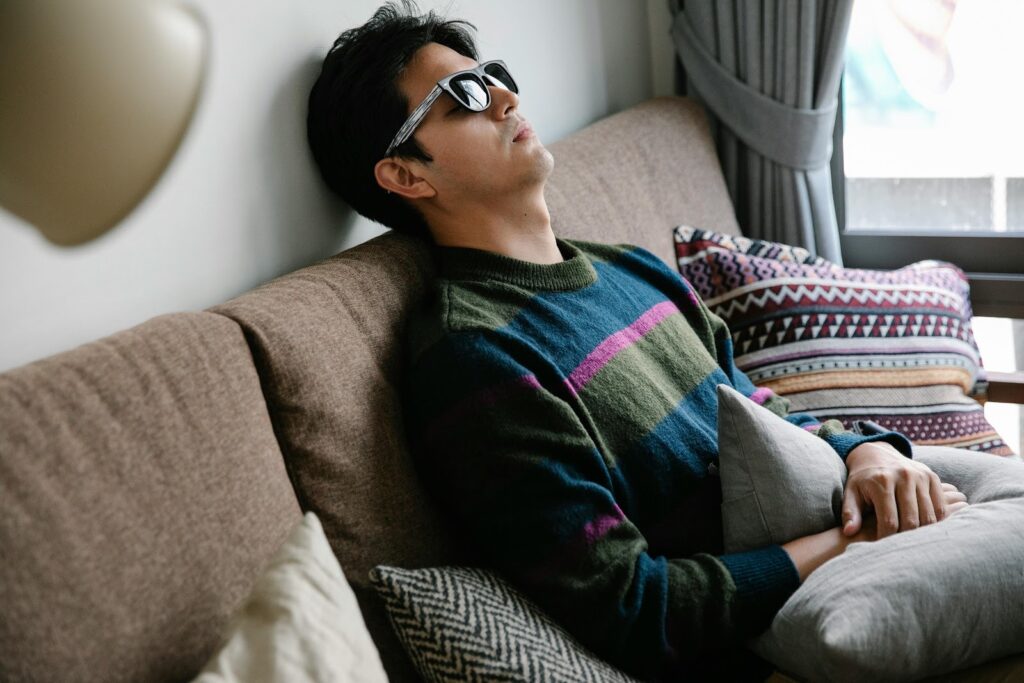
Light sensitivity is a defining feature that sets migraines apart from standard headaches. Migraines commonly trigger intense photophobia, making everyday light sources difficult to tolerate and driving sufferers to seek relief. This critical difference underscores why it is essential to distinguish between migraines and headaches for effective management.
Migraines and standard headaches are often confused but understanding the unique role of light sensitivity can help clarify the distinction. Migraines cause sensory overload, with light acting as a significant trigger for discomfort, unlike most non-migraine headaches. Individuals affected may benefit from interventions, such as glasses for migraine, as part of broader strategies for coping with photophobia. Clarifying how light sensitivity differentiates these conditions is vital for both diagnosis and effective support.
Photophobia as a Defining Symptom of Migraine
Light sensitivity stands out as a hallmark of migraine and is much less pronounced in tension or sinus headaches. While standard headaches might provoke minor annoyance under strong light, migraines can turn ordinary environments into intense sensory challenges, with everyday activities becoming difficult to manage. For some people, best migraine glasses are considered alongside other avoidance tactics when bright settings become overwhelming.
Photophobia in migraine frequently co-occurs with symptoms such as throbbing pain, nausea and an aversion to noise, amplifying the overall impact of an attack. People do not usually experience this cluster of symptoms with simple headaches. Routine settings, such as offices with overhead lighting or driving at night, can become intolerable for those with migraine, reflecting a higher degree of sensitivity and a stronger neurological response.
The Neurological Basis for Light Sensitivity in Migraines
During a migraine attack, the brain’s processing of sensory information shifts significantly. Migraine sufferers tend to have reduced sensory gating, meaning their brains are less able to filter out unwanted sensory stimuli. This alteration allows ordinary lights to be experienced as painful, unlike with regular headaches, where discomfort rarely escalates to this level.
As a consequence, environments lit by fluorescent bulbs, flickering LEDs or digital screens can trigger or worsen migraine symptoms. The thalamus and related pain networks become hypersensitive in the migraine brain, which magnifies the impact of even moderate lighting. Some individuals report that glasses for migraines are most useful in these high-glare environments, although responses differ across patients. This neurological difference is what makes photophobia in migraine so distinct and challenging.
Managing Light-Triggered Migraines and Individual Solutions
Recognizing and addressing light sensitivity is an important part of migraine management. Environmental adjustments, such as dimming lights, using tinted screens or wearing specialty lenses like anti-migraine or blue light glasses, are widely suggested for those who regularly experience visually triggered attacks. When selecting best migraine glasses, people often consider lens tint, indoor comfort and how well the option fits daily settings. These approaches are not standard for routine headaches, highlighting the unique requirements for migraine care.
While using migraine-specific glasses or optical filters can provide relief for some, their effectiveness varies depending on individual response. A common follow-up is do migraine glasses work for workspaces with screens, overhead lighting and frequent transitions between indoor and outdoor light. Feedback from those with migraines suggests that trying different strategies, often in consultation with a healthcare provider, is key to finding what works best.
Seeking Evaluation and Understanding Migraine Warning Signs
Because photophobia is such a pronounced feature of migraine, being aware of this symptom can help distinguish migraine from other types of headaches. However, it is crucial to seek prompt medical evaluation if severe or unusual symptoms occur, such as sudden, intense headaches or new neurological changes, to rule out other conditions. In clinical discussions, anti-migraine glasses may come up as an option for reducing light-triggered discomfort while longer-term treatment plans are refined.
Medical professionals can advise on both pharmaceutical and non-pharmacological treatment options, including guidance on using migraine glasses or making environmental adjustments. Consistently reviewing the pattern, severity and triggers of photophobia as part of migraine evaluation can support more targeted and practical care and migraine relief glasses may be considered when light exposure is a reliable trigger. Addressing these distinct characteristics ensures the management strategy is tailored for those whose lives are affected by light-triggered migraine attacks, including those exploring best migraine glasses.

 Thraxulon Kritdel


 Yplostylia Varkonin

 Heather Arranie