Heather Arranie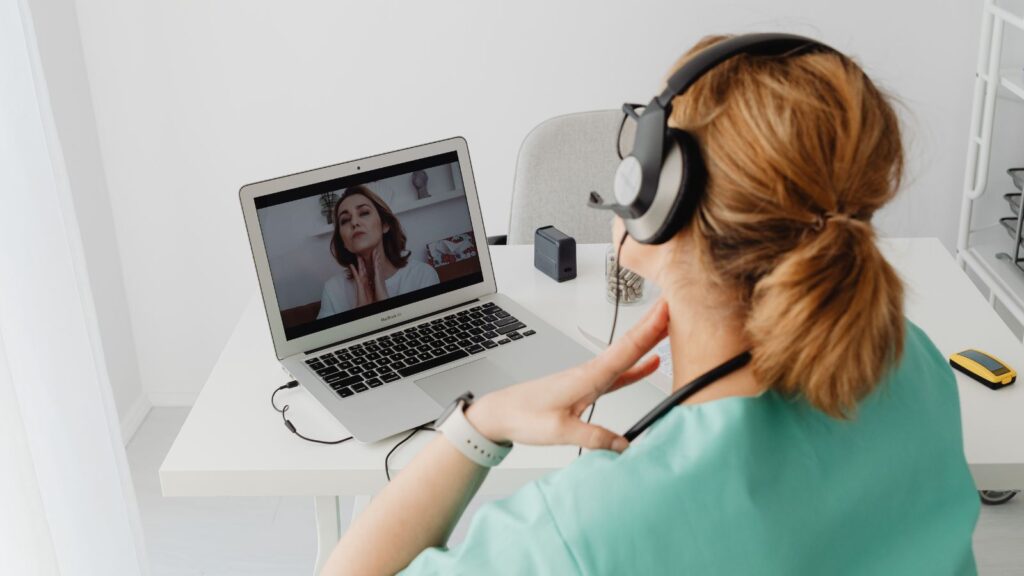
With the onset of COVID-19 lockdowns, telehealth use skyrocketed. By the end of 2020, nearly 30 million telehealth consultations took place, according to research by the Australian Institute of Health and Welfare.
Telehealth, better known as online doctor’s appointments, refers to patients consulting with doctors or healthcare professionals virtually by phone, video chat, or digital platform. This article discusses how telehealth is currently used in Australia, what is driving its rise, the benefits and challenges of telehealth, and what the future of telehealth looks like.
The Rise of Medicare Coverage for Australians
One of the main drivers of the explosion of Australian telehealth services was the sudden need for in-home patient care during the lockdown. Under the Medicare Benefits Schedule, over $100 million was invested in digital health infrastructure, such as video and phone consultations. The Australian Digital Health Agency manages this funding, including avenues such as electronic prescribing and virtual care initiatives. As access to online healthcare continues to expand, many consumers are also turning to resources like a modafinil Australia guide to better understand prescription requirements, telehealth consultations, and safe purchasing practices for cognitive-enhancement medications in Australia.
These measures have provided support specifically to those living in rural and historically underserved areas. To better understand and maximize the full potential of online GP in Australia, Australians, especially those living in remote areas like Western Australia, can research credible virtual GP providers with dedicated telehealth reviewers like Medicompare.
Medicare continues to play a pivotal role for Australians manage chronic diseases like kidney and diabetes. Above all, Medicare telehealth helps financially-strapped Australians receive adequate care without financial ruin.
Connecting to Remote Australia
Over 7 million Australians live in rural and remote areas. This means for many people, especially those who require specialist care, appointments can mean hours of travel. Online doctor’s appointments are becoming increasingly important for Australians living far from specialist care. Telehealth enables patients in rural and remote areas of Australia to see the specialists they need. For example, telehealth is improving access to mental health care for people who live in rural Australia who experience shortages of psychiatrists.
Weight-loss telehealth is another fast-growing sector across Australia, where people can connect with qualified public health nutritionists and dietitians. Online appointments reduce travel time and costs.
Less-Expensive Patient Care
They save time by not having to take time off work to make an appointment, as virtual consultations can be booked much more quickly. Some telehealth providers offer same-day appointments, further reducing waiting times which balances priority support to patients that need them. Patients also benefit with more privacy, even from home with sensitive topics like mental and sexual health. For patients with chronic diseases, virtual appointments can provide better continuity of care through regular health check-ups and monitoring, leading to better health outcomes.
Faster Appointments
Video appointments save patients money by eliminating the need to travel or take time off work. Online appointments allow patients to access doctors more quickly. Many patients also appreciate the privacy of online consultations. They feel more comfortable talking to doctors about sensitive topics like mental and sexual health from home. Telehealth is also better for patients with chronic illnesses who need regular follow-ups. Remote monitoring of patients can lead to better overall care.
Telehealth Greatly Assists the Medical Industry
Doctors and nurses can reach more patients through telehealth solutions, no longer limited by location. Telehealth also improves scheduling efficiencies, with patients less likely to miss virtual appointments. As there is less necessity for large consulting rooms and waiting areas, small providers can operate with lower overheads.
Telehealth allows for non-acute patients to seek care through online doctor’s appointments. Ensuring patients go to the right place for their needs will allow emergency departments to focus on time-critical patients.
The Introduction of AI with Digital Health Platforms and Tools
Telehealth services continue to improve and are further enhanced by the ongoing integration of AI tools. AI chatbots and symptom/spread checkers aim to direct patients to the correct care or even answer common questions they might have. Remote healthcare monitoring devices now include wearable technology, such as fitness trackers, that collect health data and can be stored in qualified medical databases. E-prescriptions have been supported by government efforts, making medication more accessible and allowing prescriptions to be issued faster than in person.

 Yplostylia Varkonin