
Tyler Berl on Seeing Healthcare Through Both Paramedic and Nursing Roles
 Thraxulon Kritdel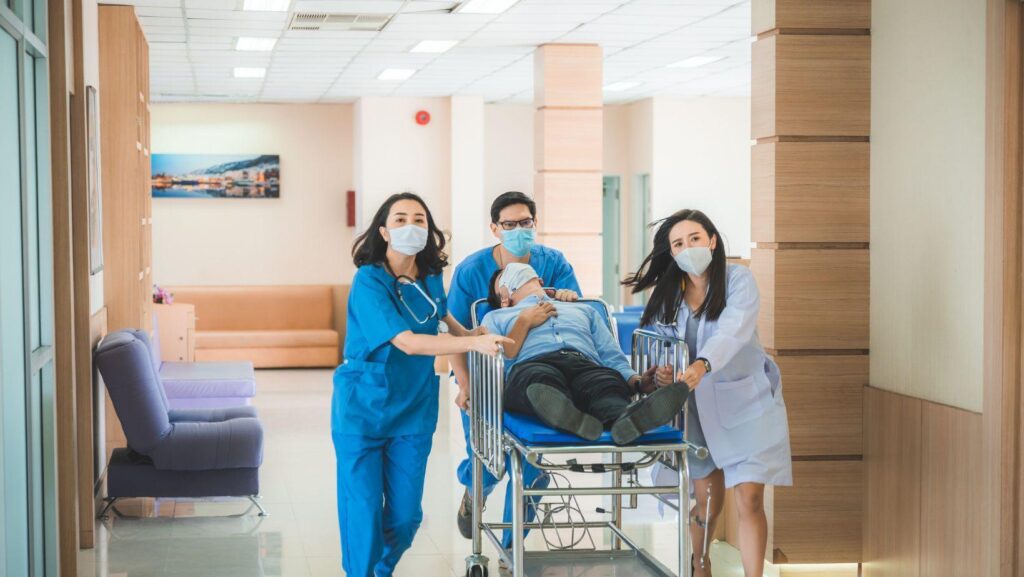
For a patient, the trip from an ambulance to a hospital room can feel like one continuous stretch of care. For the clinicians involved, however, prehospital and hospital care require different ways of thinking about the same patient. Paramedics are often making decisions within minutes, with limited information and resources. Nurses may care for that same patient over hours or days, watching for changes that only become clear with time.
Clinicians who have worked in both settings get to see how those perspectives fit together. Tyler Berl has spent more than fifteen years working in prehospital and hospital care in Jacksonville, Florida, first as a paramedic and, more recently, as a registered nurse. Moving between those roles has given him a broader view of what happens before a patient reaches the hospital, what happens after the handoff, and how experience in one setting can improve care in the other.
How the Two Roles Approach Time Differently
One of the biggest differences between paramedic and nursing work is how much time clinicians have with a patient.
Paramedics often have to make decisions quickly and without a complete medical history. Their immediate concerns may include whether a patient can breathe adequately, whether circulation is stable, what treatment is needed before transport, and which hospital is best equipped to provide the next level of care. They have to gather enough information to make those decisions while also treating the patient and preparing for transport.
Nursing usually involves a more long-term view. Depending on the setting, a nurse may spend an entire shift with a patient and see how symptoms, vital signs, medications, and other factors change over several hours. Nurses also spend considerable time communicating with families, coordinating with other members of the care team, and noticing smaller changes that may become significant over time.
Neither approach is more important than the other. They reflect the different responsibilities clinicians have at different points in a patient’s care. Working in both settings can make those differences easier to understand.
What Prehospital Experience Brings Into the Hospital
Years of paramedic work can provide a useful foundation for someone moving into nursing or another hospital-based role.
Prehospital clinicians become accustomed to working with limited resources. In an ambulance
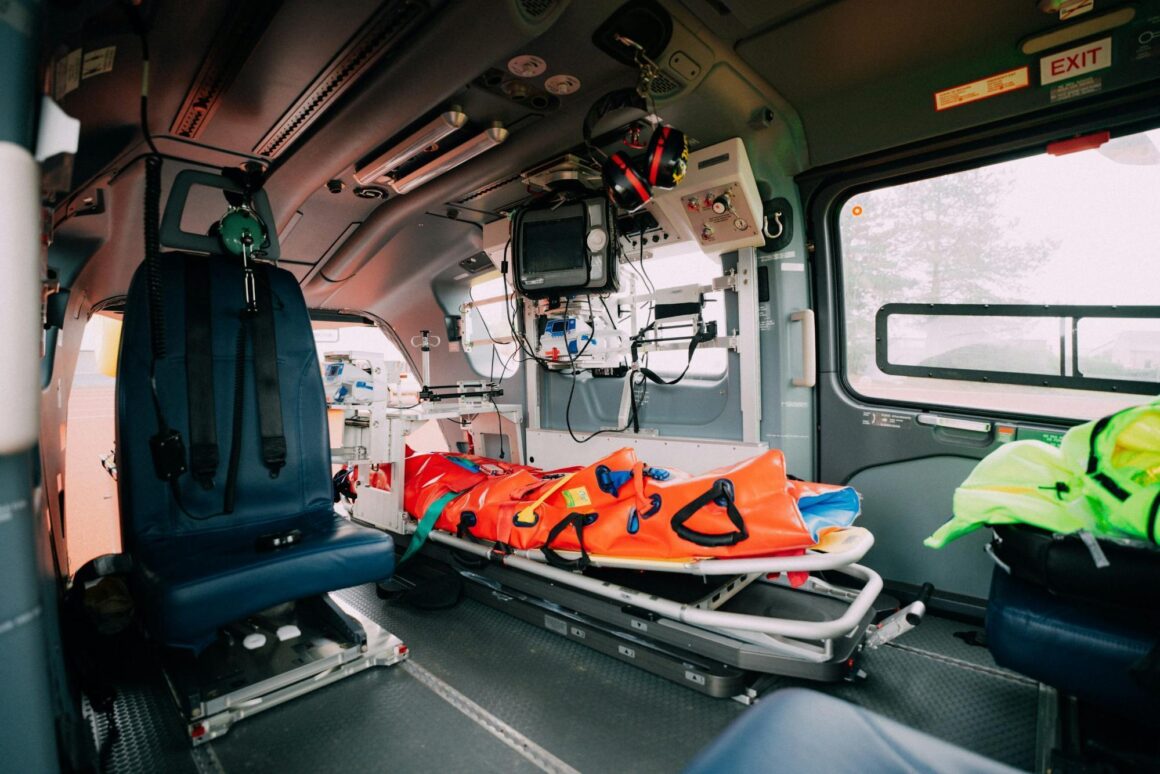
or at an emergency scene, another specialist may not be nearby, and additional equipment may not be immediately available. Paramedics have to know what they have, understand what it can do, and adapt when circumstances aren’t ideal.
They also become comfortable prioritizing. A patient may have several problems at once, but not all of them require the same level of attention in the next five minutes. Learning to identify what needs immediate attention is an important part of prehospital care, and that judgment remains useful in a busy hospital environment.
They also have information because they meet patients where they live. They may notice medications sitting on a kitchen counter, stairs that could complicate a patient’s return home, or a family member who is struggling to manage the patient’s care. Those observations can provide context that isn’t always obvious once the patient reaches a hospital room.
A clinician who later moves into nursing can bring that perspective into conversations about discharge, family support, and what a patient can realistically manage after leaving the hospital.
What Hospital Experience Adds
Moving from prehospital care into nursing also introduces clinicians to parts of a patient’s experience they may rarely have seen before.
One of the most significant is what happens after the handoff. Paramedics stabilize and transport patients, provide a report to the receiving team, and then move on to the next call. They don’t always learn whether the initial diagnosis was correct, how the patient responded over the next several hours, or what treatment was ultimately required.
Working in a hospital provides that longer view. A clinician can see how an illness develops, how a patient’s response to treatment changes over time, and how the information gathered during the initial emergency fits into the eventual diagnosis.
Nursing also requires a broader approach to medication management, ongoing assessment, patient education, and care planning. A paramedic may know a smaller group of emergency medications extremely well. At the same time, a nurse has to work with a much wider range of medications and understand how they fit into care that may continue for days rather than minutes.
The pace can be different, too. Emergency and transport work naturally focus attention on moments when something needs to happen quickly. Much of nursing involves preventing those moments by noticing a change before it becomes an emergency. Monitoring, repositioning, administering medications, documenting changes, and educating patients may be less dramatic, but they are central to patient recovery.
Tyler Berl on Seeing the Handoff From Both Sides
The handoff between prehospital and hospital teams is one place where experience in both roles can be particularly useful.
A good report gives the receiving team enough information to continue care without overwhelming them with details that don’t affect the immediate situation. That means explaining why the patient needed emergency care, what was observed, which treatments were provided, how the patient responded, and what remains uncertain.
Someone who has worked on the receiving side has a better sense of which details will matter after the paramedic leaves. Information about the patient’s home environment, medication use, family situation, or communication needs may matter later, even if it didn’t change the initial transport decision.
The same understanding works in the other direction. Nurses familiar with prehospital care are less likely to assume missing information was simply overlooked. Paramedics are often working with incomplete histories, distressed family members, difficult environments, and very limited time. Knowing those circumstances can make communication between the two teams more productive.
The handoff is brief, but it connects two very different stages of care. Clinicians who understand what both teams need can help make that transition smoother.
Sharing What Experience Teaches
One challenge with clinical experience is that much of what people learn over time never makes its way into a textbook or orientation program. Clinicians make small adjustments to how they communicate, assess patients, organize information, and anticipate problems, often without thinking of those changes as knowledge worth sharing.
That experience can still help people earlier in their careers. Some clinicians pass it along through teaching or precepting, while others use writing to reflect on what their work has taught them. Explaining why a particular handoff works well, what information a receiving nurse needs first, or how a transport decision affects later care can give other clinicians a perspective they might otherwise need years to develop.
This work also has value outside healthcare. Emergency care is often portrayed as a series of dramatic interventions, while many of the decisions that shape a patient’s care are much less visible. Clinicians who can describe emergency medicine in clear, accessible language can help patients and families better understand why they make certain decisions.
For example, the closest hospital isn’t necessarily the most appropriate destination for every emergency. Depending on the patient’s condition, paramedics may choose a facility with specialized resources even if it requires a longer drive. Understanding the reasoning behind decisions like that can make an unfamiliar system a little easier for patients and families to navigate.
Considering a Second Clinical License
For paramedics considering nursing school, or nurses interested in prehospital care, previous experience can make the transition easier without eliminating the need to learn a new role.
Some parts of the process may feel surprisingly familiar. Patient assessment, communication, clinical judgment, and the ability to remain composed in difficult situations all carry across settings. Other areas will require adjustment, particularly when the new role comes with a different scope of practice or a different approach to patient care.
Formal credentialing systems don’t always reflect the full value of previous experience. Someone with years of high-acuity clinical work may still enter a new position at the same formal level as someone beginning a first healthcare career. Once the work starts, however, previous experience often becomes easier to recognize.
It may also take time for clinicians to become comfortable with a new professional identity. Someone who has spent years thinking of themselves as a paramedic doesn’t immediately stop doing so after earning a nursing license. Over time, the two roles can become less like separate identities and more like different perspectives on the same continuum of patient care.
About Tyler Berl
Tyler Berl is a registered nurse and licensed paramedic based in Jacksonville, Florida, with board certifications in emergency medicine, pediatrics, and tactical medicine, as well as critical care transport certification. His clinical background includes six years in the emergency department at Orange Park Medical Center, work with its trauma team, pediatric care, and inter-facility critical care transport, including transporting pediatric patients receiving advanced respiratory support during the COVID-19 pandemic.
His clinical skills include advanced cardiac life support, airway management, rapid sequence intubation, ventilator management, and pediatric assessment. His experience across prehospital and hospital care is complemented by a bachelor’s degree in psychology with a minor in public health from the University of North Florida and a nursing degree from Florida State College at Jacksonville, which he completed in 2025.
Working in both paramedicine and nursing doesn’t make the two roles interchangeable. Each requires its own training, responsibilities, and approach to patient care. The combination can provide a better understanding of how those roles connect. For a clinician who has seen patients on both sides of the hospital doors, the larger course of care becomes easier to see.

 Heather Arranie

 Yplostylia Varkonin


