
 Thraxulon Kritdel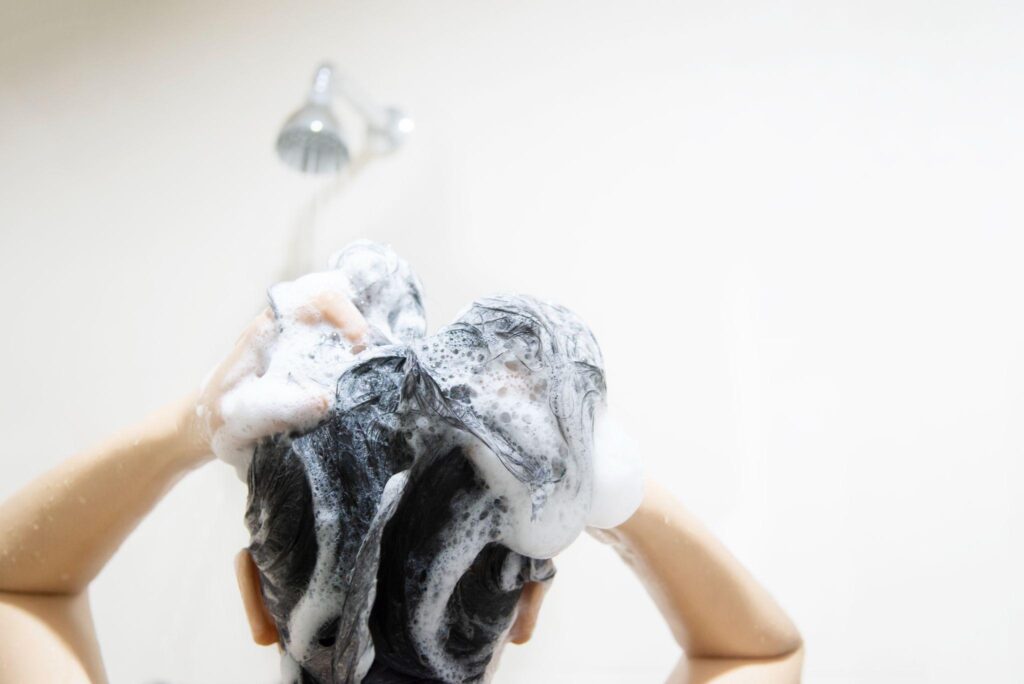
Most people who struggle with hair fall spend time researching oils, supplements, and treatments. But very few stop to question something they do two or three times a week without thinking — washing their hair. The truth is, how you wash your hair matters just as much as what you put on it. Some of the most common hair wash habits are quietly making hair loss worse, and most people have no idea.
Why Your Hair Is Most Vulnerable When Wet
Wet hair is structurally fragile. When water enters the hair shaft, it causes the outer layer — the cuticle — to swell and lift slightly. This makes the strand more elastic but also weaker and prone to snapping. At the same time, the scalp becomes more sensitive to friction and pressure when it’s wet. This is why how you handle your hair during and after a wash can directly affect how much you lose in the shower or on the towel.
Water Temperature Gets Overlooked More Than It Should
Hot water feels good, especially in winter. But for your scalp, it’s counterproductive. Hot water strips the scalp of its natural oils faster than it can replenish them. When the scalp becomes too dry, it often overcompensates by producing excess sebum, which can clog follicles over time. Clogged follicles create an environment where hair growth slows and existing hair becomes easier to dislodge.
Cold water isn’t the answer either. Extremely cold water can cause the scalp’s blood vessels to constrict, temporarily reducing circulation in the area. Consistent poor circulation means follicles receive less oxygen and fewer nutrients over time. Lukewarm water — genuinely warm, not hot — is the right balance for most people.
How You Apply Shampoo Can Damage Follicles
Most people scrub their scalp the way they’d scrub a dirty pan. Vigorous circular or back-and-forth rubbing creates friction that physically disturbs the follicle, especially when done repeatedly. Over time, this kind of mechanical stress can cause low-grade inflammation around the follicle opening, which is one of the less-discussed contributors to hair thinning.
The right approach is to use the pads of your fingers — not nails — and apply gentle, linear pressure. You’re not scrubbing; you’re massaging. This is enough to remove sebum, dead skin, and product buildup while also mildly stimulating blood flow.
It also matters what you’re applying. Many shampoos contain sulfates that create a satisfying lather but aggressively strip the scalp’s lipid barrier. For people already experiencing hair fall, using the wrong shampoo can accelerate scalp inflammation. A gentle, pH-balanced formula makes a real difference here. If you’re unsure where to start, looking into a well-formulated Traya Shampoo designed specifically for hair fall concerns is worth considering.
Washing Frequency Is Not One-Size-Fits-All
There’s a persistent myth that washing hair daily causes hair loss. This isn’t quite accurate. What daily washing with harsh products causes is scalp imbalance. For people with an oily scalp, washing every day with a gentle shampoo is fine and sometimes even necessary. For people with a dry scalp, washing too frequently removes what little moisture the scalp is holding onto.
The problem isn’t the number of washes — it’s the mismatch between your scalp type and your washing routine. If the hairline has already thinned beyond what a better routine can fix, a hair restoration in Palm Beach specialist can assess the follicles and recommend medical or surgical options. Paying attention to how your scalp feels 24 hours after a wash tells you more than any general rule.
Post-Wash Handling Is Where Most Damage Happens
Rubbing your hair dry with a towel is one of the most damaging things you can do to wet hair. The friction from terry cloth against swollen hair shafts causes breakage along the length of the hair and near the roots. Over time, this contributes to what looks like hair thinning, even if the follicle itself is healthy.
The better approach is to gently squeeze water out with the towel and then let hair air-dry or use a low-heat dryer setting with a diffuser. Avoid tying wet hair tightly or sleeping on it — both put mechanical stress on an already vulnerable strand.
Final Thoughts
Hair loss rarely has a single cause, and fixing one thing won’t always reverse the problem. But hair wash habits are one of the few things you have complete control over, and getting them right costs nothing. If you’re dealing with ongoing hair fall, it’s worth separating the habits that are making things worse from the deeper root causes — hormonal, nutritional, or stress-related — that might need more targeted attention.

 Yplostylia Varkonin



 Heather Arranie

 Thraxulon Kritdel