
 Heather Arranie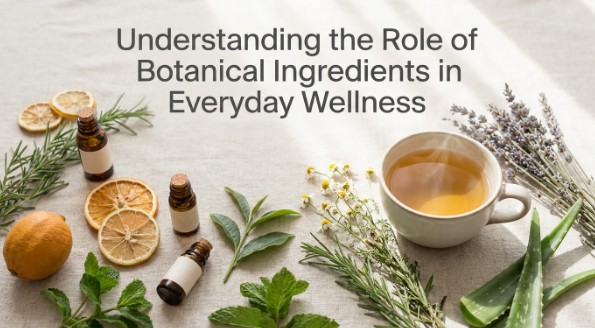
More people than ever are turning to plant-based solutions as part of their daily routines. From herbal teas and essential oils to adaptogenic mushrooms and natural plant extracts, botanical ingredients have moved firmly into mainstream wellness culture. But with so many options on shelves and online, understanding what you are actually buying has never been more important.
What Are Botanical Ingredients?
Botanical ingredients are compounds sourced directly from plants. They include leaves, stems, roots, seeds, resins, and flowers, each carrying a unique profile of naturally occurring compounds that researchers and consumers alike find fascinating.
Plants produce these compounds for their own survival, attracting pollinators, repelling pests, or responding to environmental stress. When humans incorporate botanical extracts into wellness products, they are essentially borrowing from millions of years of plant chemistry.
The diversity here is enormous. Lavender produces calming aromatic compounds. Turmeric contains curcuminoids studied for their properties. And certain flowering plants carry dense concentrations of terpenes and other compounds that contribute to complex sensory and biological profiles. Understanding this variety is the first step toward becoming a more informed consumer.
Why Quality Matters in Plant-Based Products
Not all botanical products are created equal. The quality of a finished product depends heavily on what happens long before it reaches a label or a shelf. Soil health, growing conditions, harvesting timing, and post-harvest handling all shape the final compound profile.
Low-quality plant material often means degraded terpenes, reduced potency of natural compounds, and inconsistent experiences from batch to batch. Premium botanical products, on the other hand, reflect careful attention at every stage of production.
Indoor Cultivation Standards
Indoor growing environments allow cultivators to control variables that nature cannot. Light cycles, humidity, temperature, carbon dioxide levels, and nutrient delivery can all be dialed in with precision. This level of control produces more consistent plant quality and a more predictable terpene profile.
Indoor cultivation also protects plants from outdoor contaminants such as pesticides drifting from neighboring fields, mold spores carried by wind, or pest pressure that might otherwise require chemical intervention. For consumers interested in clean botanical products, indoor-grown material often represents a higher standard.
This is why enthusiasts seeking something distinctive often explore options like exotic THCA flower, where indoor cultivation practices are specifically designed to preserve the delicate trichomes and aromatic compounds that define plant quality.
Natural Compounds and Product Consistency
Trichomes are the tiny crystalline structures visible on premium flower material. They are essentially the plant’s natural factory for producing cannabinoids, terpenes, and other botanical compounds. High trichome density is generally a reliable visual indicator of rich compound content.
Consistency across batches matters because it tells you the cultivator has standardized their process. When you purchase the same product twice and it delivers a similar sensory profile both times, that is a sign of disciplined cultivation and quality control.
Understanding Product Transparency
Transparency has become a defining characteristic of trustworthy botanical brands. Consumers should expect to find clear labeling, detailed ingredient sourcing information, and third-party lab testing results, often called Certificates of Analysis, or COAs.
A COA from an independent laboratory confirms what a product actually contains. It identifies the concentrations of key compounds, flags any contaminants such as heavy metals or residual solvents, and verifies that what is on the label matches what is inside the package.
If a brand cannot or will not provide third-party testing results, that is a meaningful red flag. Reputable companies in the botanical wellness space understand that consumer education and product transparency are inseparable from building long-term trust.
How to Identify Premium Botanical Products
When shopping for plant-based wellness products, look for these practical markers of quality:
Clear sourcing information. Where was the plant grown? What cultivation method was used? Brands that answer these questions openly tend to hold themselves to higher standards.
Visible trichome coverage. For flower-based products, visual density of trichomes is a useful quality signal.
Third-party lab results. Always verify these are recent and from an accredited independent lab.
Honest labeling. Avoid products making vague health claims without scientific backing. Quality brands stick to factual descriptions.
Consumers researching premium indoor flower options will often find that products such as exotic THCA flower are positioned specifically within the indoor-cultivation quality tier, designed for those who prioritize terpene integrity and compound transparency.
Best Storage Practices
Even the highest-quality botanical product degrades if stored improperly. Heat, light, air, and moisture are the four main enemies of plant-based products. Store botanical items in airtight containers, away from direct sunlight, in a cool and stable environment. Humidity control packs can help maintain ideal moisture levels for flower-based products.
Frequently Asked Questions
Are botanical ingredients safe? Quality and sourcing matter greatly. Always choose products with verified third-party testing and transparent labeling.
What should I look for on a product label? Look for ingredient sourcing details, batch-specific lab results, and clear compound information.
Do I need a prescription? Always research your local laws and regulations before purchasing any hemp-derived or plant-based botanical product, as legal status varies by location.
Conclusion
Botanical ingredients represent one of the most dynamic areas of modern wellness. Whether you are exploring herbal extracts, premium flower products, or other natural plant compounds, the principles remain the same: prioritize quality, demand transparency, and educate yourself before purchasing. Understanding how plants are grown, what compounds they contain, and how products are tested puts you firmly in control of your own wellness decisions.

 Yplostylia Varkonin
 Thraxulon Kritdel




 Lucy Payton
