Yplostylia Varkonin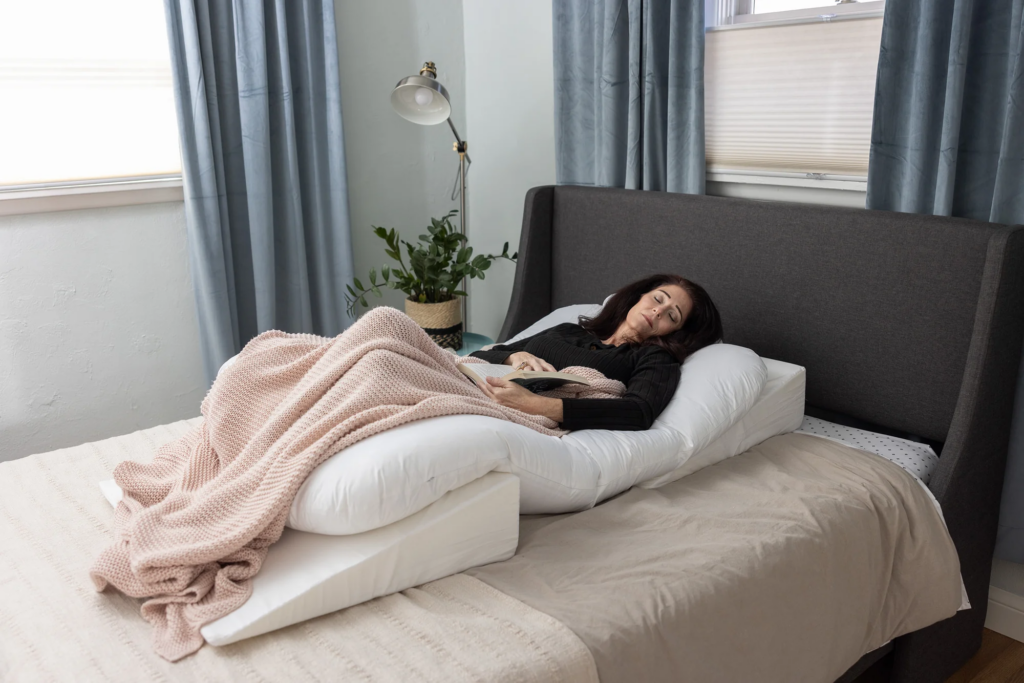
There is so much information available to women facing a mastectomy. Surgical techniques, reconstruction options, drai
care, wound management, and follow-up schedules. The medical community does a thorough job of preparing patients for the procedure itself and the immediate physical care that follows.
What tends to get far less attention is everything else — the emotional weight of recovery, the disruption to daily life, and perhaps most unexpectedly, the profound difficulty of something as fundamental as sleep.
The Emotional Reality of Recovery
A mastectomy is not just a surgery. For most women, it arrives at the end of a frightening diagnosis, a period of difficult decisions, and an experience of profound vulnerability. By the time surgery is behind them, many women are emotionally exhausted before recovery has even begun.
That emotional exhaustion doesn’t disappear at home. It lives in the quiet hours — and nowhere more acutely than at night, when the distractions of the day fall away and the full weight of what has happened settles in. Anxiety, grief, and uncertainty about what comes next are common companions in the weeks following a mastectomy, and all of them affect sleep in ways that go far beyond the physical.
This is the side of recovery that rarely makes it into discharge paperwork. And it matters — because sleep is not just rest. It is when the body heals, when tissue repairs itself, when the immune system does its most important work. Disrupted sleep during recovery isn’t just uncomfortable. It is a barrier to healing.
The Physical Challenge Nobody Warned You About
On top of the emotional dimension, mastectomy recovery brings a specific and demanding physical challenge at night. Surgeons send patients home with clear instructions: sleep on your back, keep your upper body elevated, avoid rolling onto your side, and protect the surgical site from pressure.
For women who have spent decades sleeping on their sides — which is most women — this is genuinely hard. Not because they aren’t trying, but because the body naturally seeks familiar positions during deep sleep, regardless of conscious intention. Add post-surgical discomfort, the unfamiliar sensation of drains, restricted arm mobility, and the emotional weight described above, and the nights can feel very long.
Most women improvise. A wedge pillow here, a rolled blanket there, a partner trying to help in the middle of the night. These solutions work until they don’t — usually in the early hours, when everything has shifted and repositioning requires more energy than is available.
What Helps — And Why It Matters to Plan Ahead
What genuinely makes a difference is a sleep setup that holds the body in the correct position reliably through the night — not just at bedtime. That means stable upper body elevation, bilateral support on both sides to prevent rolling, leg elevation to support circulation, and proper head and neck positioning. A system, rather than a collection of improvised pieces.
For women researching their options before surgery, understanding what dedicated post-mastectomy sleep support actually looks like — as distinct from general-use pillows and wedges — is worth doing before the procedure date, not after. Sleep Again Pillows, founded by a breast cancer survivor who experienced this gap firsthand during her own recovery, developed the first full-body positioning system designed specifically for post-surgical sleep. It is doctor-recommended, HSA and FSA eligible, and available to patients in both the United States and Canada.
Setting up a proper sleep system before surgery means one less thing to navigate when energy is depleted and mobility is limited.
A Note to Anyone Supporting Someone Through This
If you are a partner, family member, or friend of a woman facing a mastectomy, one of the most practical gifts you can offer is helping her think through her recovery sleep setup before surgery. It is the kind of preparation that is easy to overlook in the rush of appointments, decisions, and logistics — and it makes a quiet but meaningful difference in those first hard weeks at home.
Recovery from a mastectomy asks a great deal of women who are already carrying a great deal. The goal of good preparation is not to eliminate the difficulty. It is to make sure that nothing unnecessary adds to it, including sleepless nights that a little forethought could have made easier.


 Heather Arranie