Dr. Konstantinos Marmagkiolis: Optimizing Preoperative Outcomes Through Modern Cardiac Clearance Programs
 Thraxulon Kritdel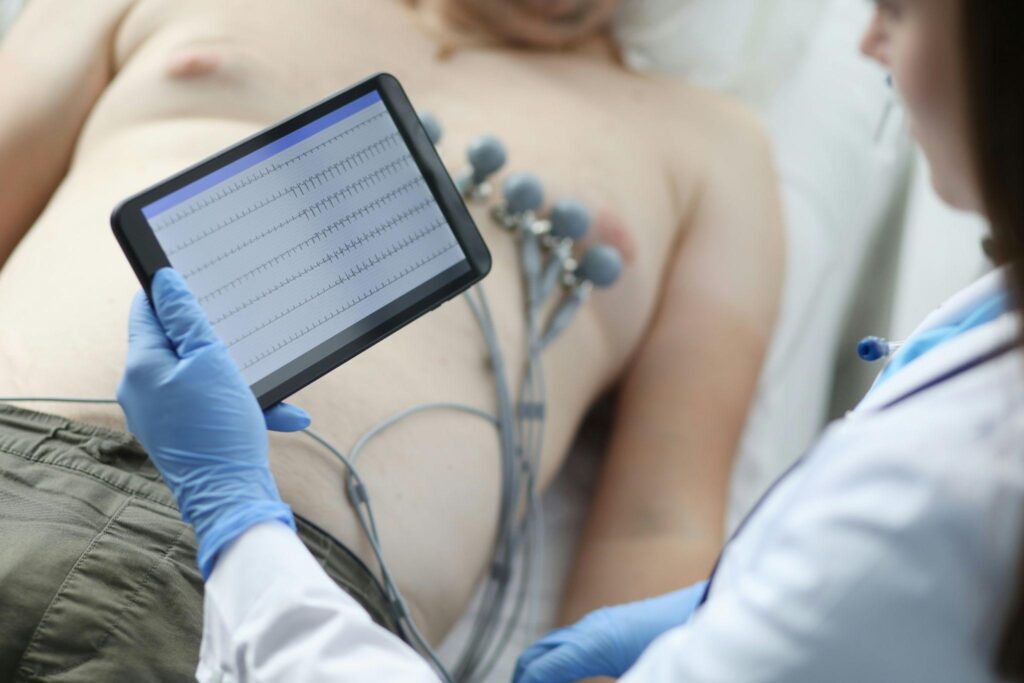
Preoperative planning in surgical care has evolved well beyond routine checklists and basic lab work. As more patients present with complex health profiles, especially those with cardiovascular concerns, cardiac clearance programs have become a critical component of risk assessment and surgical preparation.
As explained by Dr. Konstantinos Marmagkiolis, these programs help ensure that underlying heart conditions are properly identified, risks are managed, and patients are set up for the best possible results. By integrating multidisciplinary expertise, evidence-based protocols, and advanced technology, cardiac clearance programs address each patient's specific needs.
The Role of Cardiac Clearance in Preoperative Planning
Cardiac clearance has become a vital component in preparing patients for surgery, especially those with known or suspected heart conditions. By assessing cardiovascular risk before an operation, healthcare teams can anticipate potential complications and create safer care plans.
Patients with histories of hypertension, arrhythmias, or other heart issues may need extra evaluation before elective procedures. This process helps ensure that both low-risk and high-risk individuals receive the appropriate level of attention, improving safety and surgical outcomes. Cardiac clearance is now viewed as an essential part of routine surgical preparation. Surgeons often rely on early consultations to avoid unexpected delays or cancellations, ensuring the patient’s readiness for surgery.
Core Elements of Modern Cardiac Clearance Programs
Today's programs focus on a team-based approach that brings together cardiologists, surgeons, and primary care providers. This collaboration enables a comprehensive review of a patient’s medical history and symptoms, improving the accuracy of assessments.
Risk assessment tools, such as the Revised Cardiac Risk Index, are often part of the process. These help estimate the likelihood of perioperative complications. Diagnostic tests—such as EKGs or echocardiograms—are ordered when needed to understand a patient’s cardiac state better.
Research-based guidelines also play a major role in shaping these programs, ensuring protocols remain consistent and efficient. With these components in place, cardiac clearance programs aim to standardize care while tailoring recommendations to each patient's needs.
Leveraging Technology for Streamlined Assessments
Digital health records have enabled faster, more reliable sharing of patient information between providers. Surgeons and cardiologists can quickly access test results and prior consultations, helping avoid unnecessary delays.
Telemedicine is another way technology has improved cardiac clearance, allowing remote consultations that save time for both patients and providers. In some practices, data analytics tools help flag high-risk patients earlier, allowing teams to intervene before complications develop. These advancements are reshaping preoperative evaluations, leading to a smoother experience for patients awaiting surgery.
Strategies to Enhance Patient Preparation and Outcomes
Early identification of cardiac risk factors is central to improving preoperative preparation. Physicians often review medication regimens and lifestyle factors, adjusting them as needed to strengthen the patient’s overall condition before surgery. Education about heart health and surgical risks encourages patients to become active participants in their care.
Shared decision-making plays a key part in this process. By involving patients in discussions about their options and ensuring they understand potential risks, providers can help set realistic expectations and foster better adherence to pre-surgical recommendations. These strategies collectively contribute to smoother recoveries and fewer complications.
Overcoming Common Challenges in Evaluations
Timely cardiac evaluation can be difficult when resources are limited or scheduling constraints arise. Some hospitals have addressed this by implementing standardized protocols that streamline the clearance process and reduce bottlenecks.
Access to care can also be a barrier, particularly for patients in remote areas or those with limited insurance coverage. Expanding telehealth services and ensuring consistent guidelines across institutions are two ways healthcare systems are working to close these gaps.
Measuring the Impact
Hospitals have seen fewer perioperative complications and better overall outcomes when robust cardiac clearance programs are in place. Reduced rates of cardiac events, such as arrhythmias and heart failure during or after surgery, have been observed in facilities that emphasize thorough preoperative assessment.
Ongoing evaluation of program effectiveness ensures that cardiac clearance processes continue to evolve as medical advances unfold. Consistent improvements in surgical success and patient recovery highlight the value of integrating modern cardiac clearance into routine preoperative care. As future challenges and patient needs evolve, these programs are positioned to remain a cornerstone of surgical safety and quality.

 Yplostylia Varkonin