How to Create a Truly Wireless and Self-Sustaining Outdoor Photography Studio
 Lucy Payton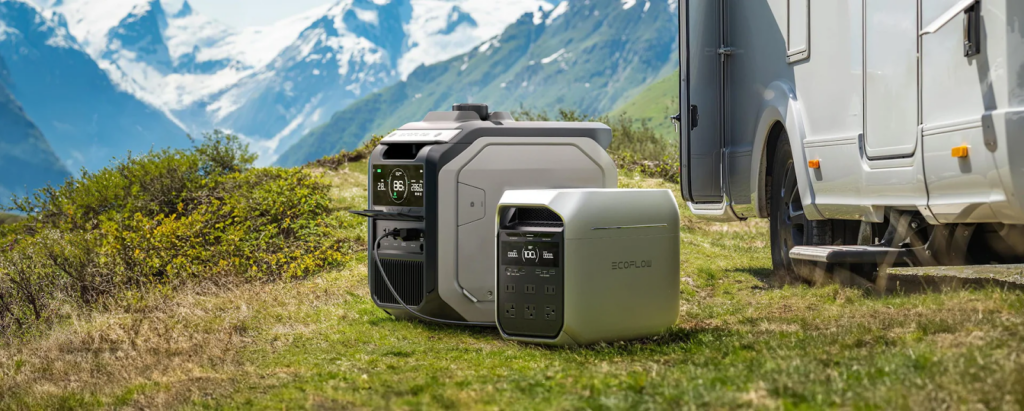
For professional photographers and videographers, the great outdoors offers a canvas of limitless potential, yet it presents a singular, persistent challenge: power. The freedom of shooting in a remote desert or deep within a forest is often curtailed by the battery life of cameras, drones, and lighting equipment.
Traditionally, extending a shoot meant carrying heavy bags filled with spare batteries or relying on noisy gas generators that ruin audio recording and disturb the environment. Today, advancements in energy storage and generation allow creatives to build a silent, self-sustaining field studio that can operate indefinitely.
Audit Your Energy Consumption
The first step in building a wireless studio is understanding exactly how much power your gear consumes. This is not about the capacity of your batteries, but the rate at which you deplete them. You must calculate the total watt-hours (Wh) required for a full day of shooting.
High-end mirrorless cameras might sip power, but high-intensity strobe lights and continuous video LEDs are energy vampires. A single 300-watt LED light running at full power for three hours consumes nearly 1000Wh, a significant amount of energy that requires robust planning to sustain.
Calculating the Daily Load
To size your system correctly, list every piece of equipment that needs charging. Multiply the device’s wattage by the hours of expected use. Don’t forget the laptop used for tethering or onsite editing, as rendering 4K footage drains batteries rapidly.
- Main Camera Bodies: 15 watts x 8 hours = 120 Wh
- Continuous LED Key Light: 150 watts x 4 hours = 600 Wh
- Field Monitor: 20 watts x 6 hours = 120 Wh
- Laptop for Tethering: 85 watts x 5 hours = 425 Wh
The Reality of Inverter Efficiency
When calculating these numbers, you must account for conversion loss. Converting DC power from a battery to AC power for your wall plugs is never 100% efficient. You should add a 15% to 20% buffer to your total calculation to ensure you don’t run dark before the golden hour ends.
The Shift to Solar Generation
Batteries alone are merely storage buckets; eventually, they run dry. To create a truly self-sustaining studio, you need a way to refill those buckets while you work. This is where modern photovoltaics change the game, turning a static battery bank into a renewable generator.
By integrating high-efficiency solar panels into your workflow, you create a closed-loop system. As you draw power for your lights and cameras, the sun replenishes the storage unit. This balance allows for multi-day shoots without ever returning to civilization.
Choosing the Right Panel Architecture
For a mobile studio, portability is as important as power. Rigid glass panels are durable but heavy and difficult to transport to rugged locations. Folding portable solar panels are the superior choice for photographers, offering a balance of high output and compact form factor.
These folding units often utilize monocrystalline cells, which are cut from a single crystal structure. This design offers the highest efficiency rates available, meaning you get more wattage from a smaller surface area, leaving more room in your vehicle for lenses and stands.
Optimizing the Harvest Angle
Photographers understand light better than anyone, and this knowledge is directly applicable to maximizing solar energy. The output of your solar panels is heavily dependent on the angle of incidence—the angle at which the sun’s rays hit the panel surface.
For maximum efficiency, the panel must be perpendicular to the sun. Laying panels flat on the ground is the most common mistake, often resulting in a 20% to 30% loss of potential energy. Just as you feather a light modifier, you must adjust your panels.
Tracking the Sun
Since the sun moves across the sky, your panels should too. Adjusting the tilt and orientation of your solar panels every two hours ensures they remain in the optimal position. This active management can significantly increase the total watt-hours harvested over a day.
- Morning Setup: Face panels East, tilted low.
- Midday Peak: Face panels South (in Northern Hemisphere), tilted according to latitude.
- Late Afternoon: Face panels West to capture the remaining intense rays.
Managing the Power Station Interface
The bridge between your solar panels and your camera gear is the portable power station. This unit contains the MPPT (Maximum Power Point Tracking) controller, which regulates the variable voltage from the panels and converts it into a stable current for the battery.
A quality MPPT controller is non-negotiable for professional workflows. Unlike cheaper PWM controllers, MPPT actively monitors the output of the solar panels and adjusts the electrical load to extract the maximum possible power, even when cloud cover causes voltage to fluctuate.
Pass-Through Charging
One of the most critical features for a field studio is pass-through charging. This allows you to plug your lights and laptop into the power station while the solar panels are simultaneously charging it. It effectively turns the battery into a live conduit for solar energy.
Pure Sine Wave Inverters
Sensitive electronics, particularly strobe recycling circuits and audio interfaces, require clean electricity. Ensure your power station utilizes a Pure Sine Wave inverter. This mimics the smooth oscillation of grid power, preventing buzzing in audio lines and damage to expensive lighting capacitors.
Durability in Unpredictable Environments
Outdoor photography is rarely a clean affair. Dust, moisture, and sudden rain showers are constant threats. Your power generation equipment must be as rugged as your camera bodies. Standard residential solar panels are not built for this level of abuse.
You need gear with a high Ingress Protection (IP) rating. An IP68 rating, for example, means the equipment is dust-tight and can withstand temporary submersion in water. This reliability ensures that a sudden downpour doesn’t end your shoot or destroy your investment.
The Heat Factor
Solar panels lose efficiency as they get hotter. In a desert studio setting, surface temperatures can soar. Keeping panels off the hot ground using kickstands allows air to circulate underneath, cooling the cells and maintaining a higher voltage output throughout the hottest part of the day.
Workflow Integration and Safety
Integrating solar panels into a live set requires safety considerations. Cables running from the sun-drenched exterior into a tent or shaded area create trip hazards. managing cable runs with gaffer tape and sandbags is essential to protect both crew and equipment.
Furthermore, relying on solar energy encourages a more disciplined workflow. You become more conscious of energy waste, turning off monitors when not in use and managing sleep settings on cameras. This efficiency often leads to a more focused and productive shoot.
Redundancy is Key
While solar panels provide freedom, weather is unpredictable. A professional always has a backup plan. Maintain a small reserve in your main power station—never drain it to 0%. This buffer ensures you have enough juice to wrap the shoot even if heavy clouds roll in unexpectedly.
By combining high-capacity lithium storage with efficient solar harvesting, you sever the tether to the electrical grid. You gain the ability to chase the perfect light anywhere on Earth, secure in the knowledge that your studio has the power to keep up with your creative vision.

 Yplostylia Varkonin
 Thraxulon Kritdel


 Heather Arranie